
“Nins” Room
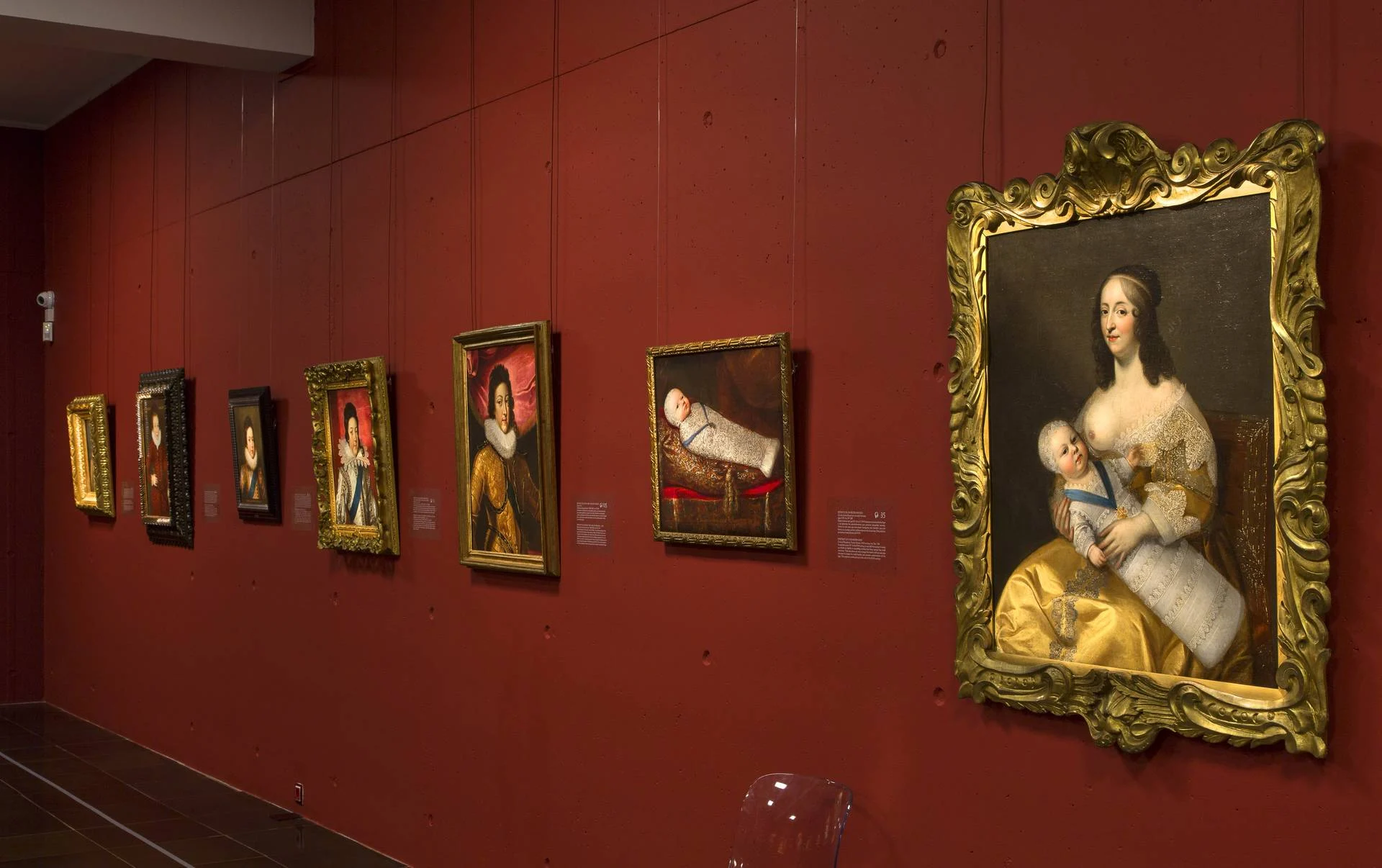
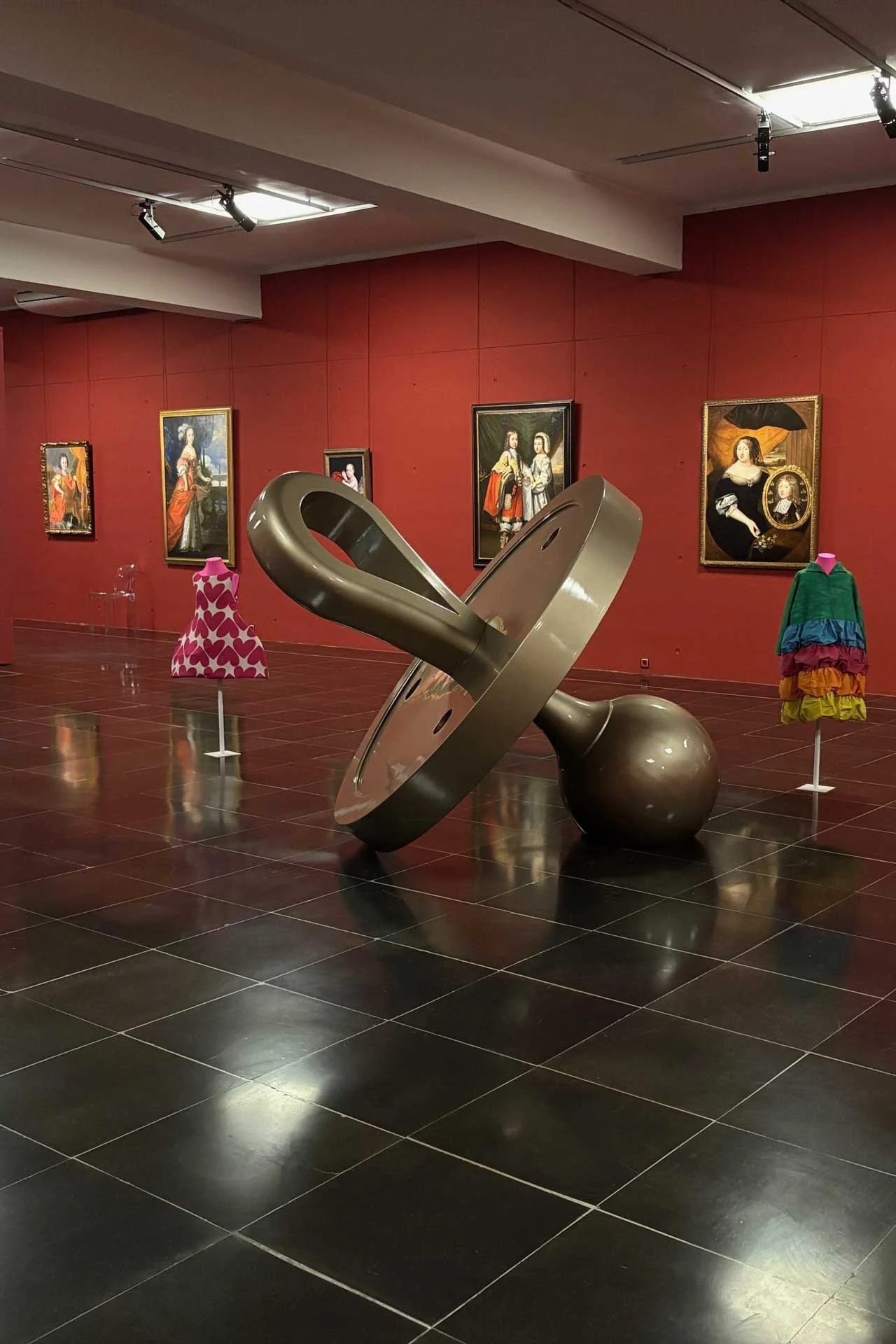
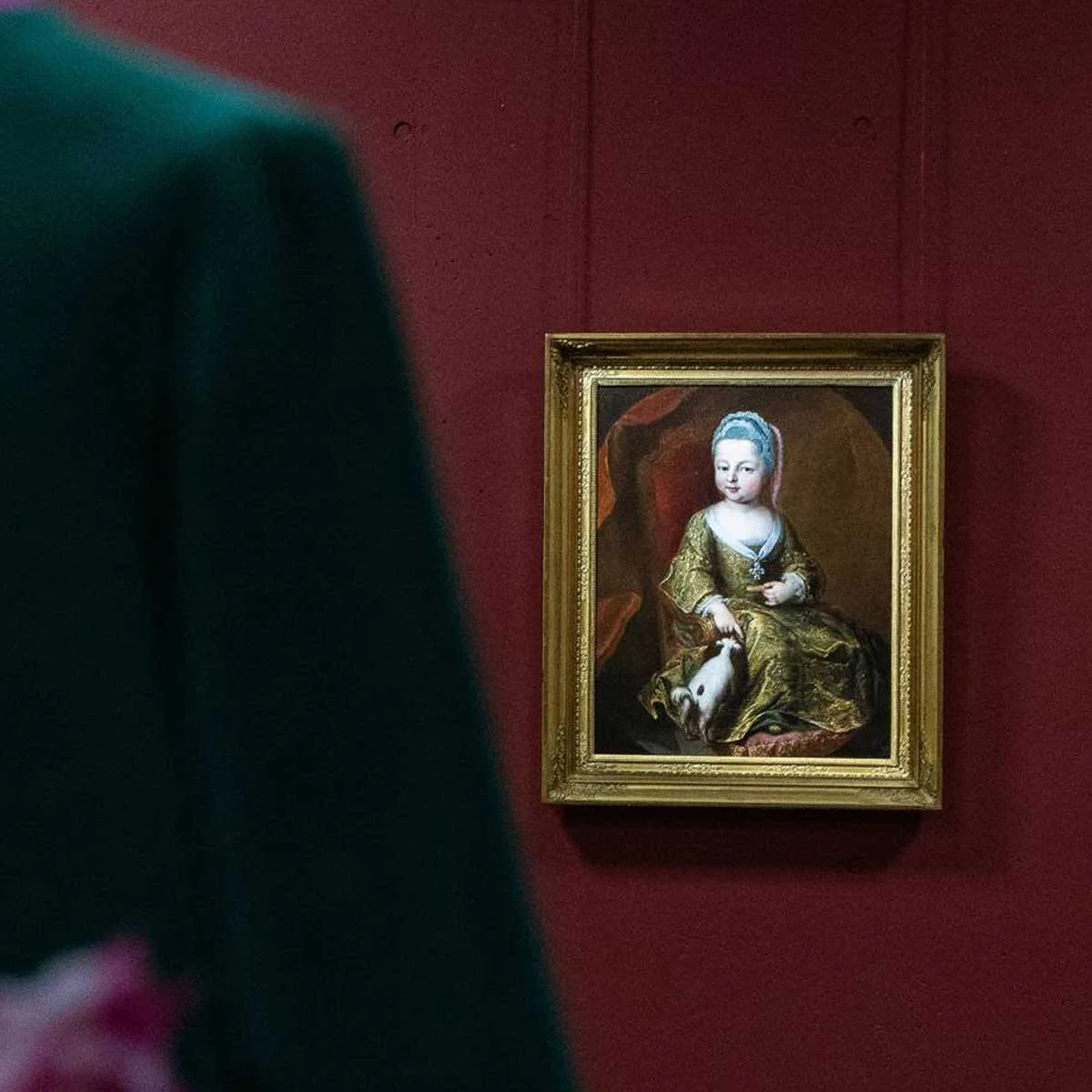
Portraits of children from the 16th to the 19th century
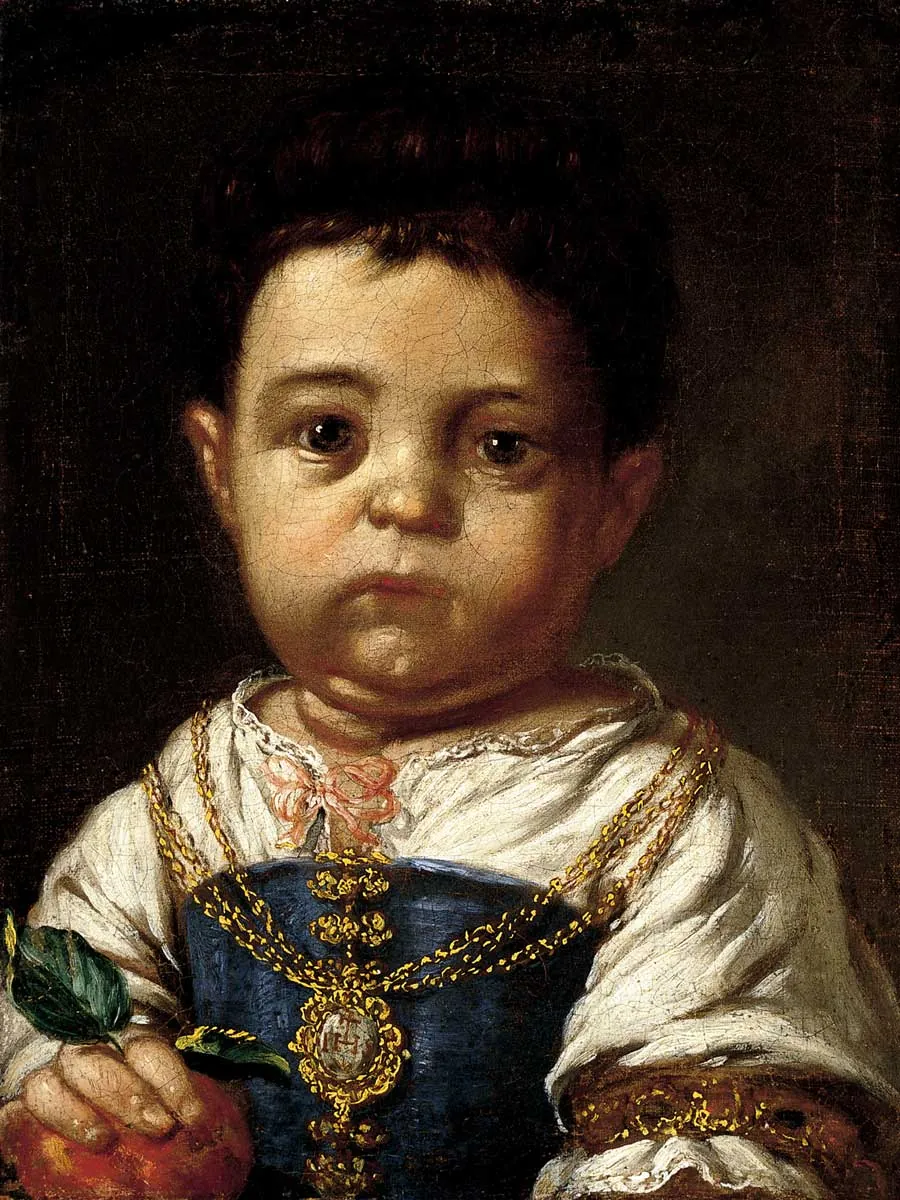
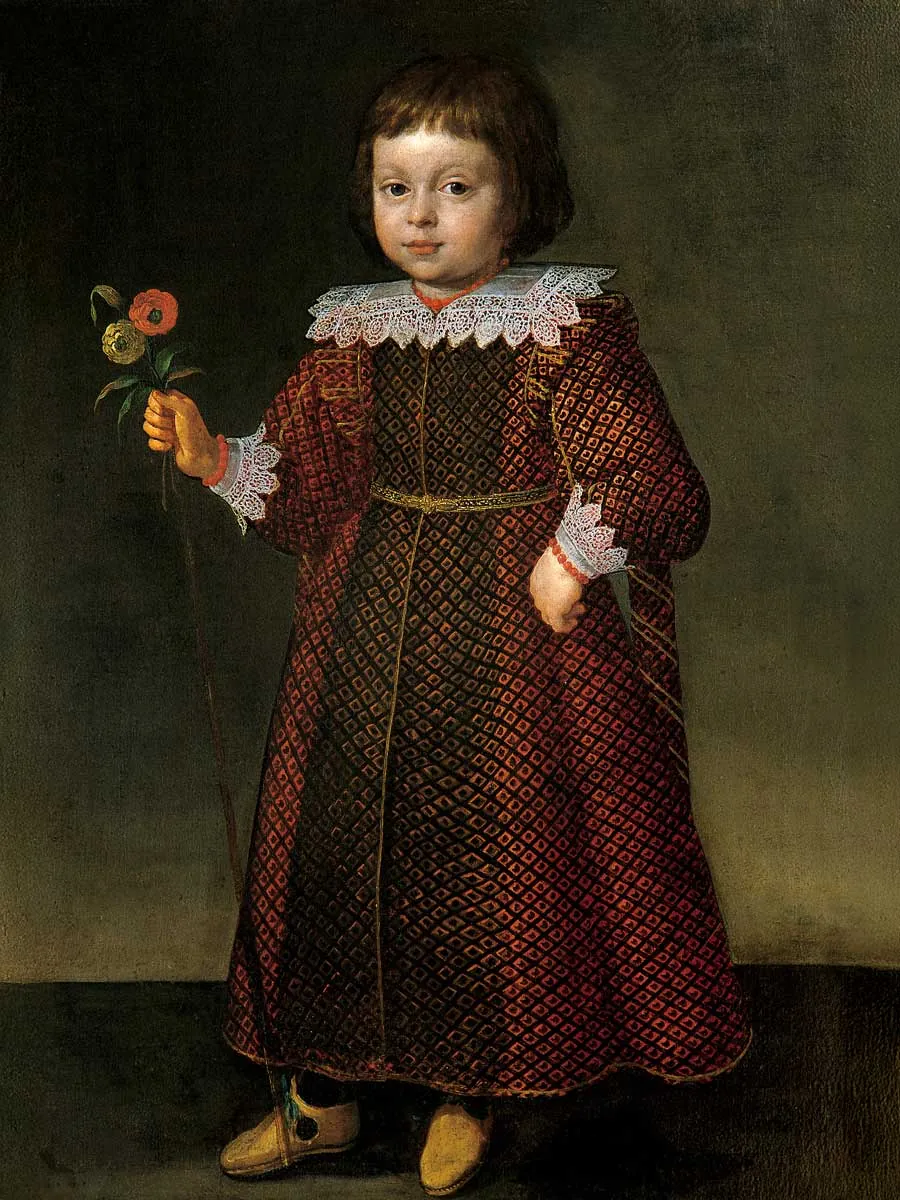
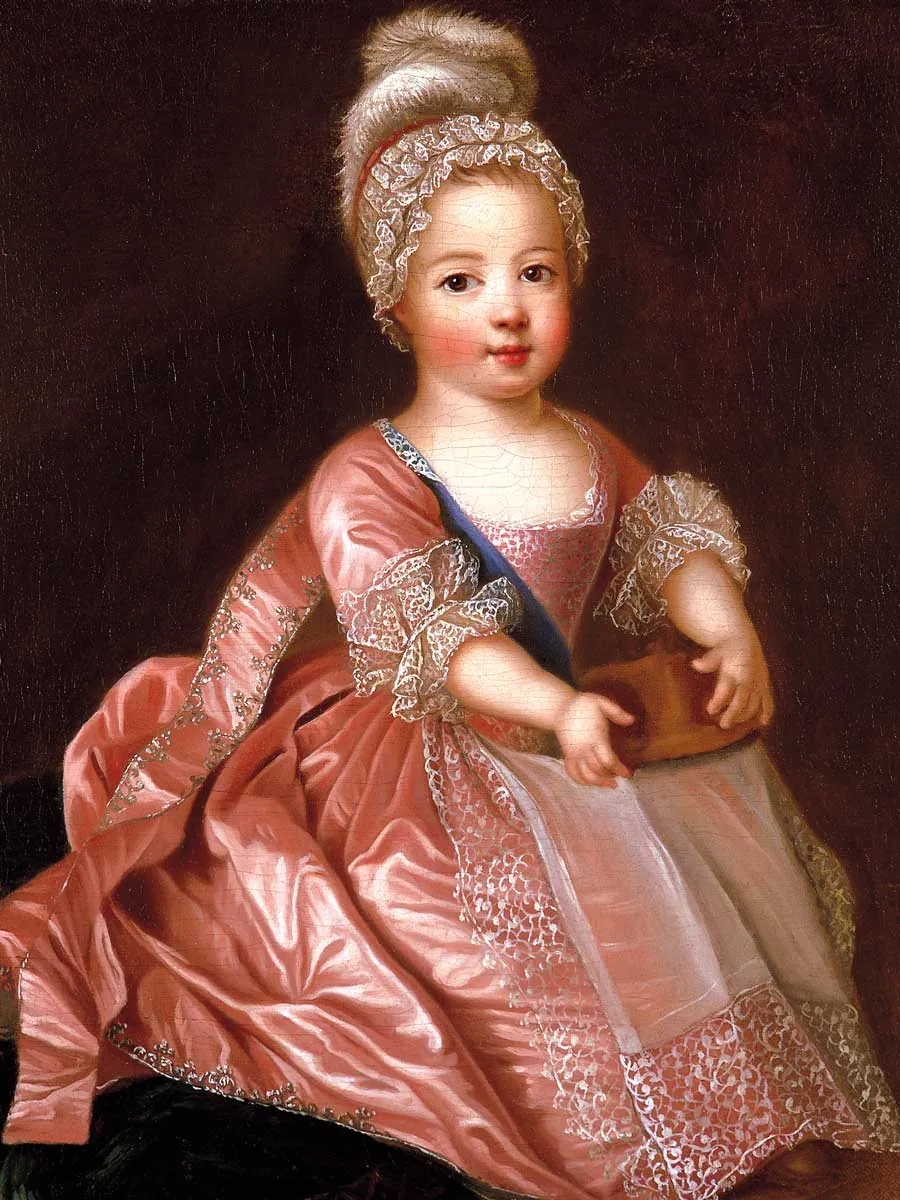
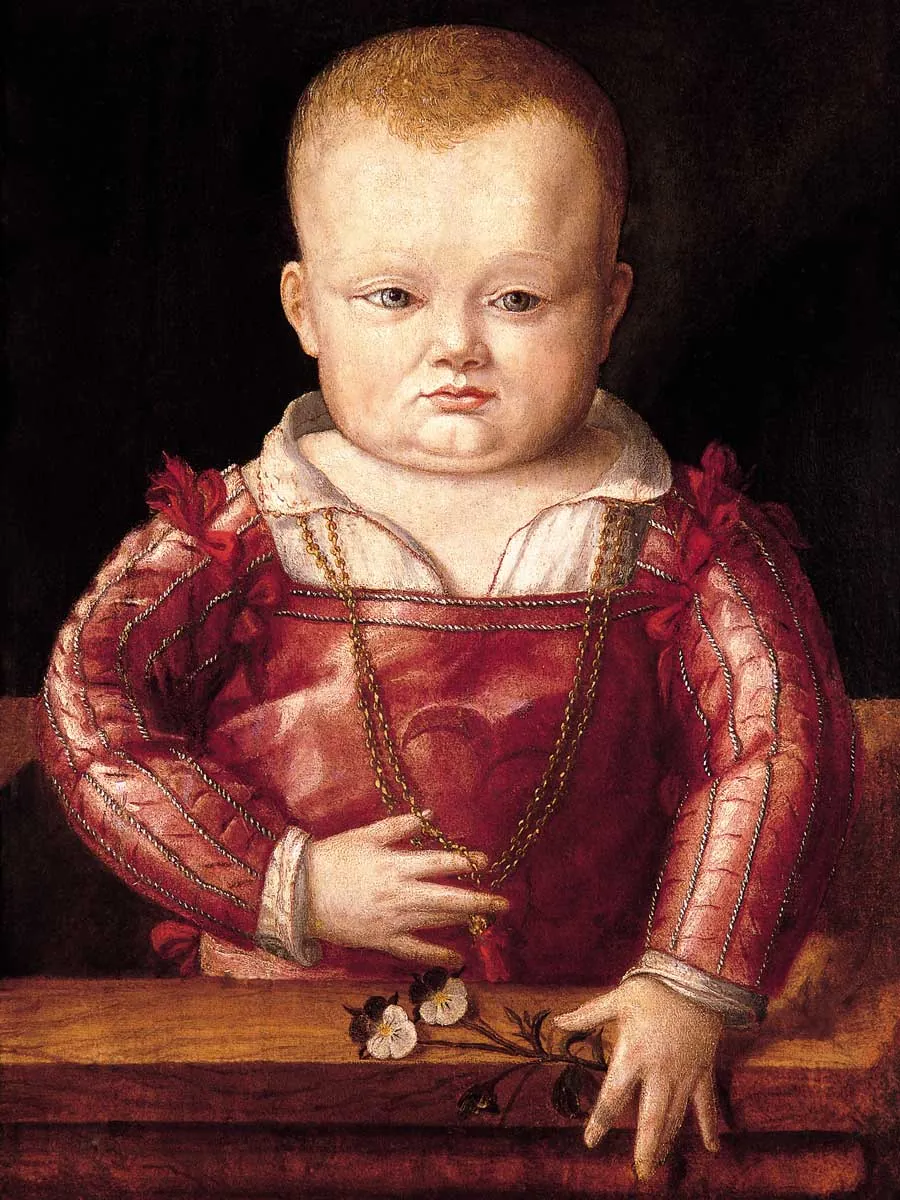
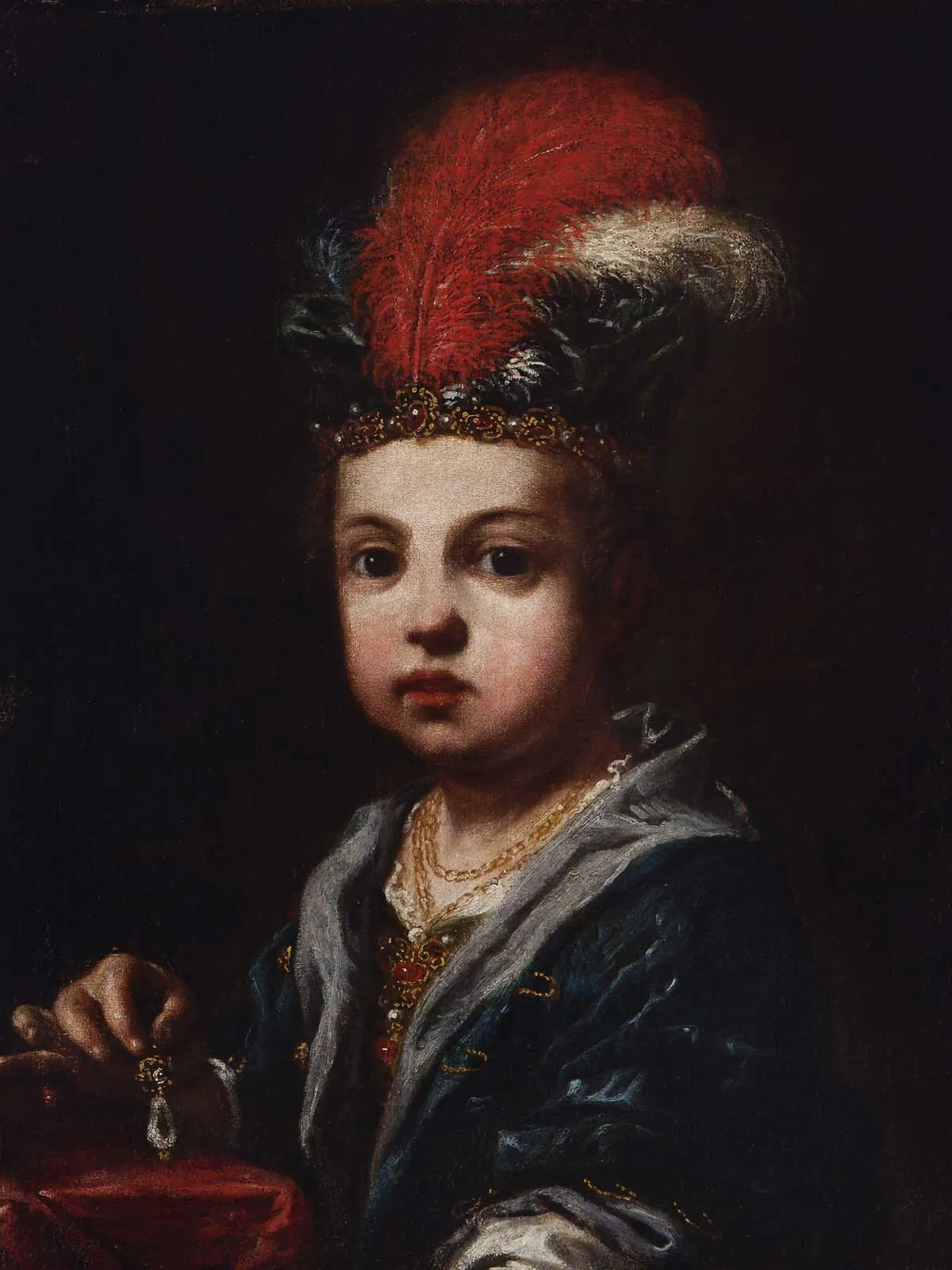
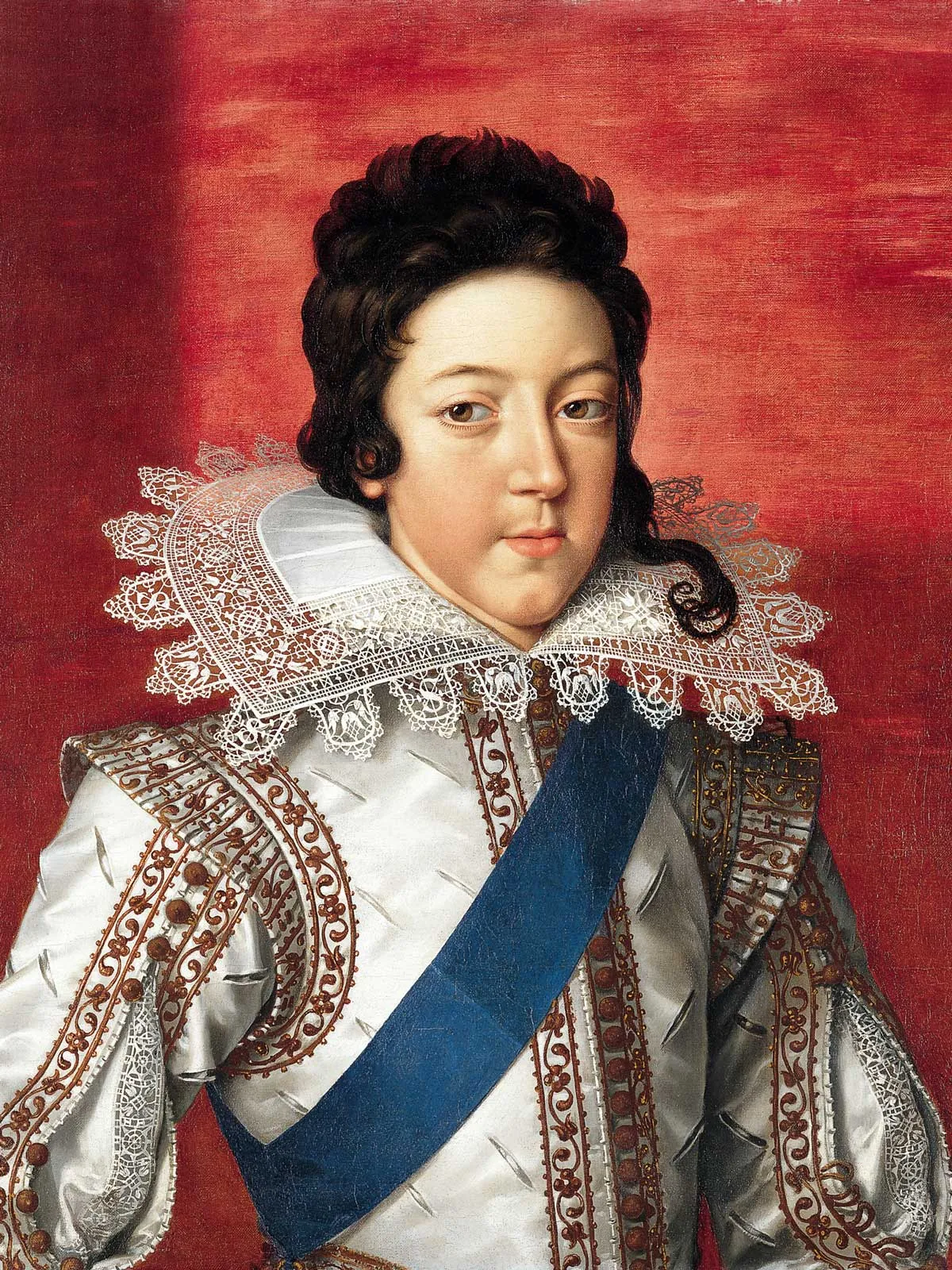
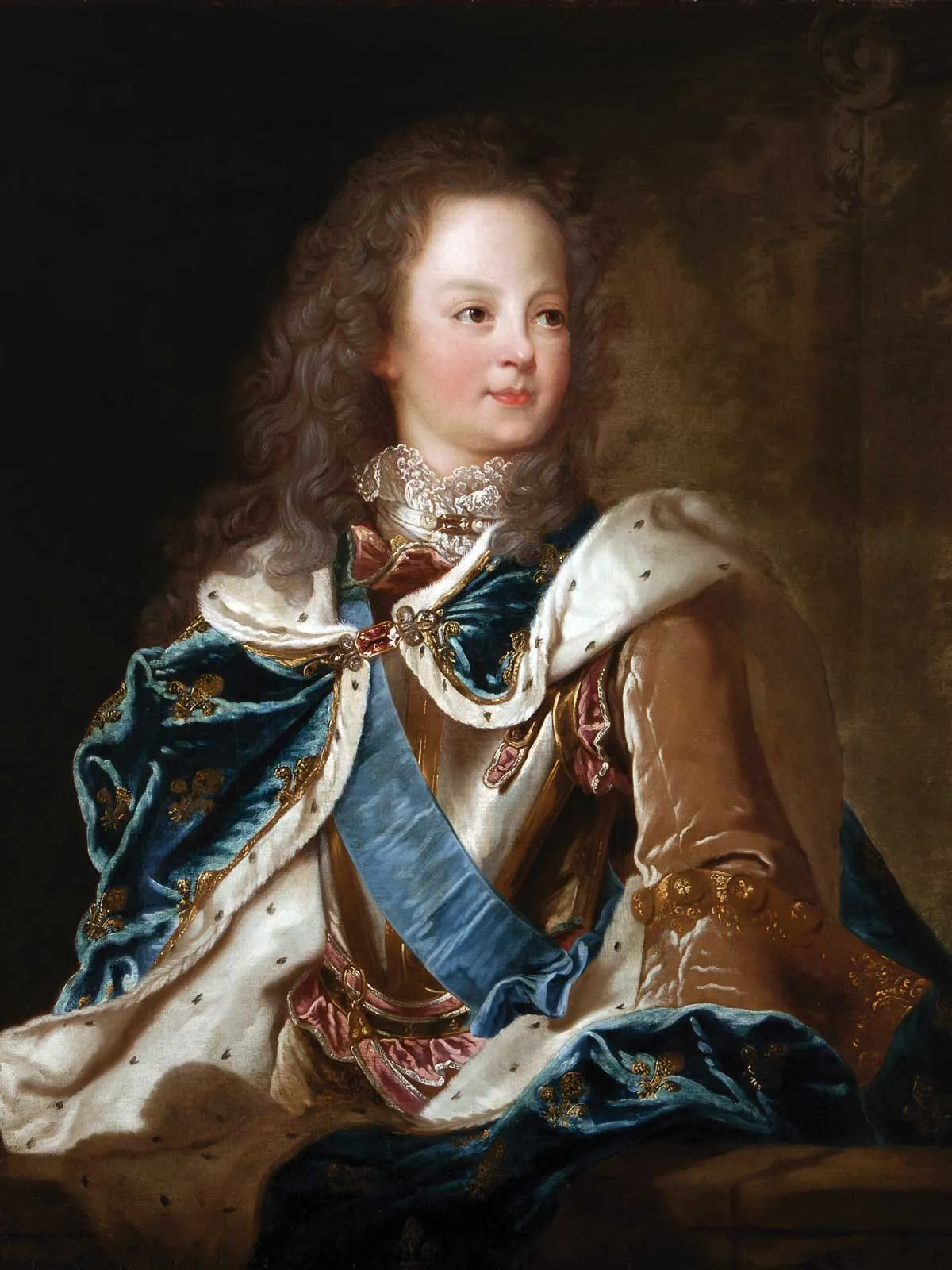
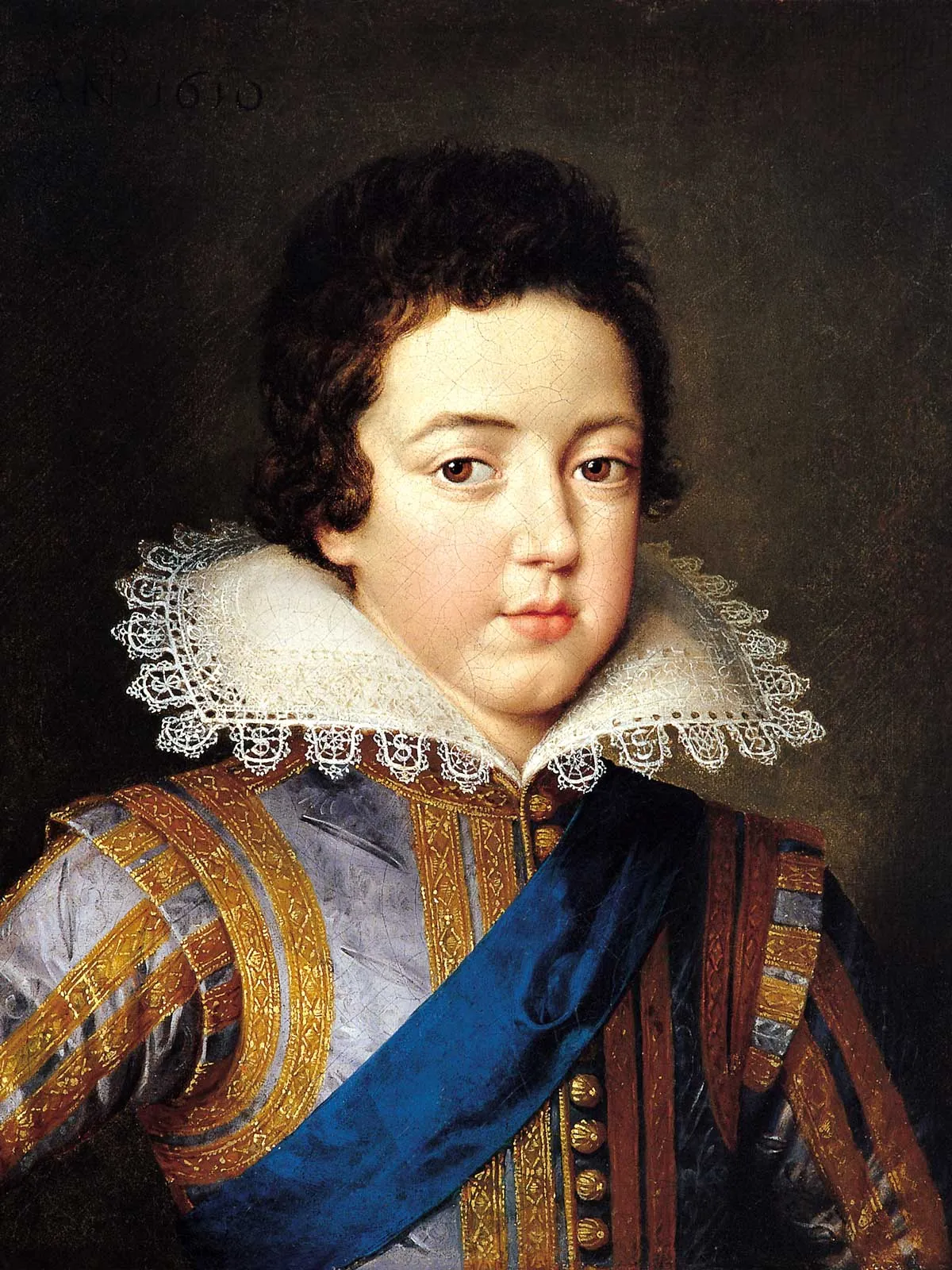
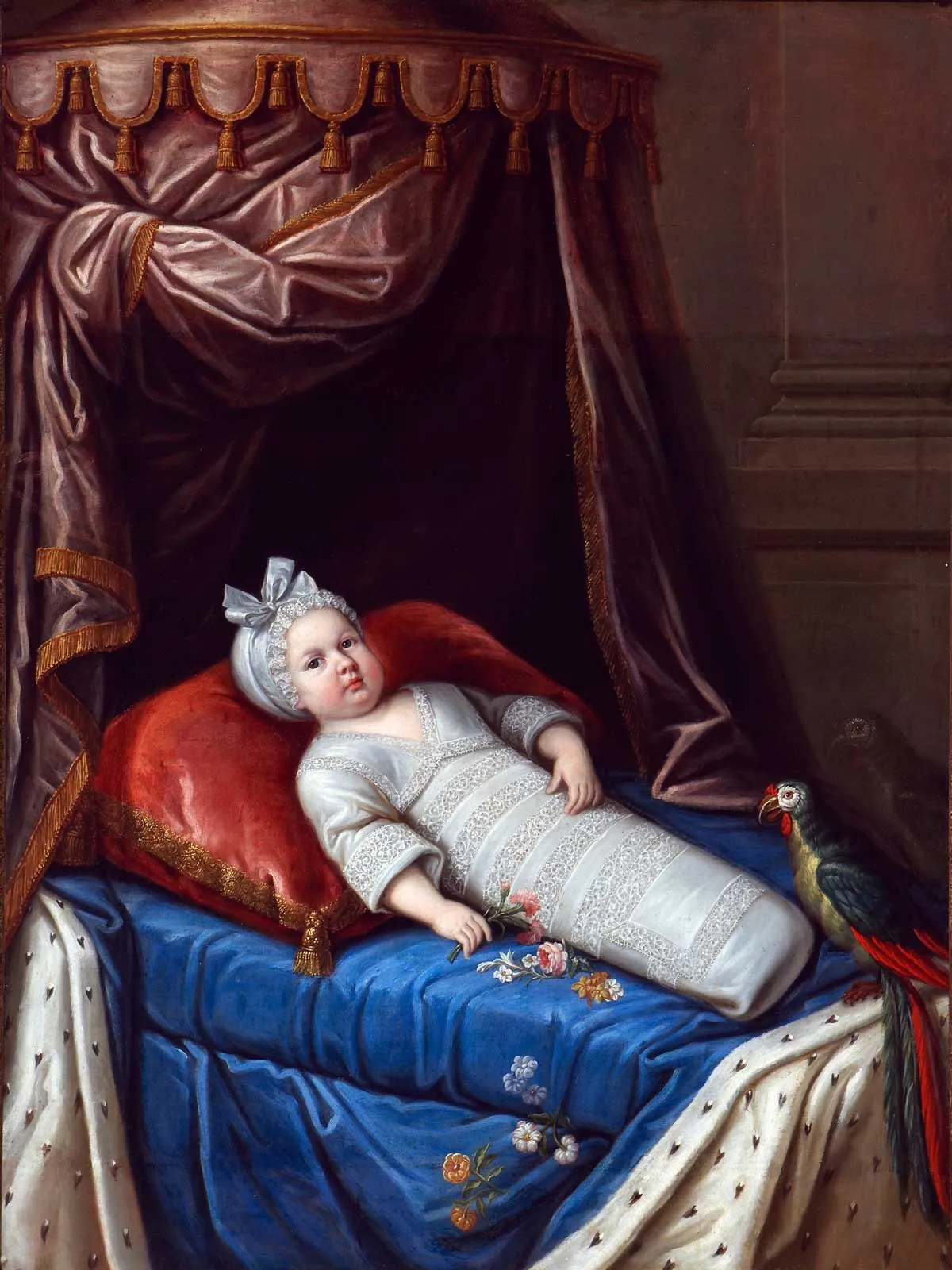
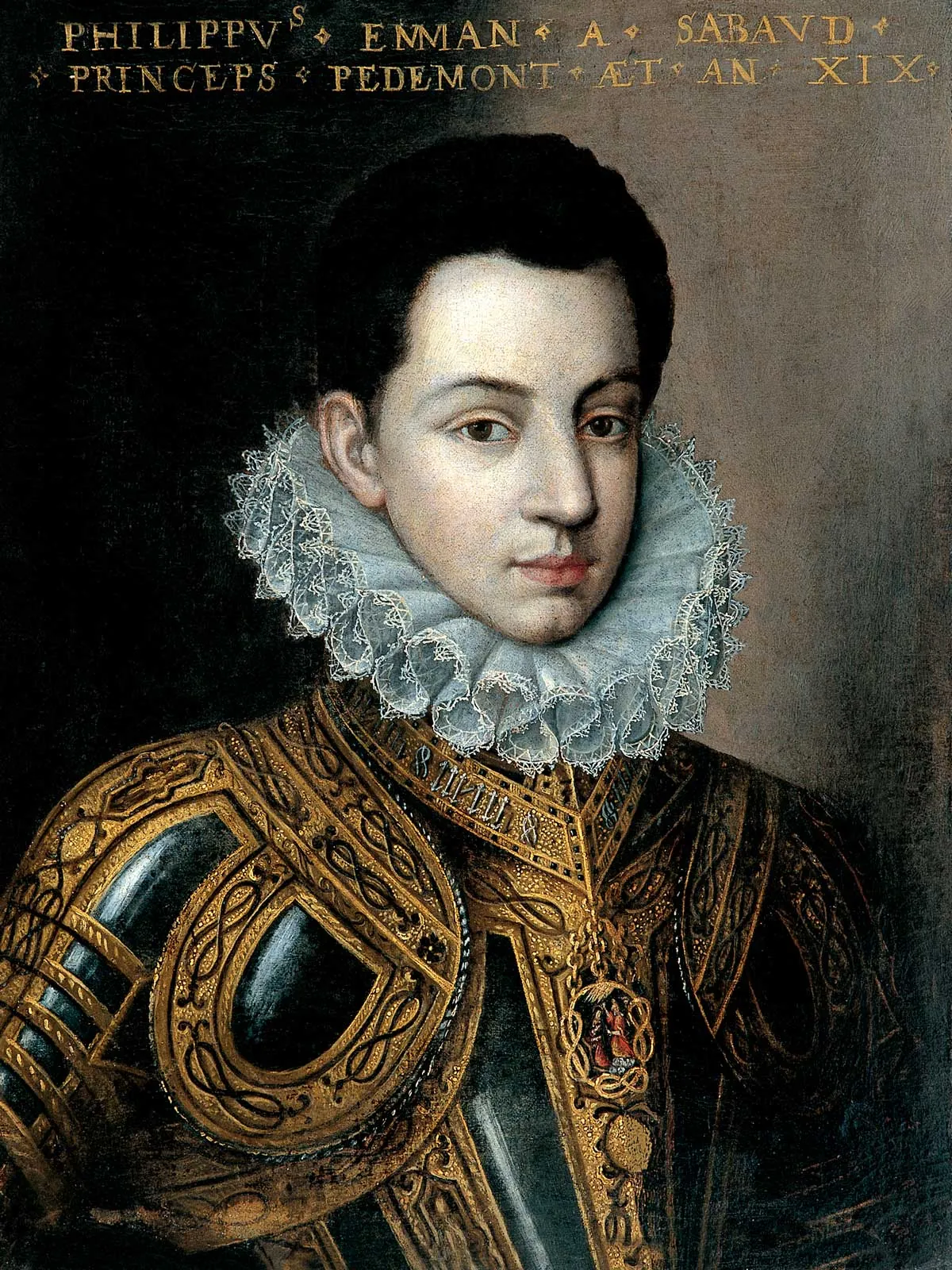
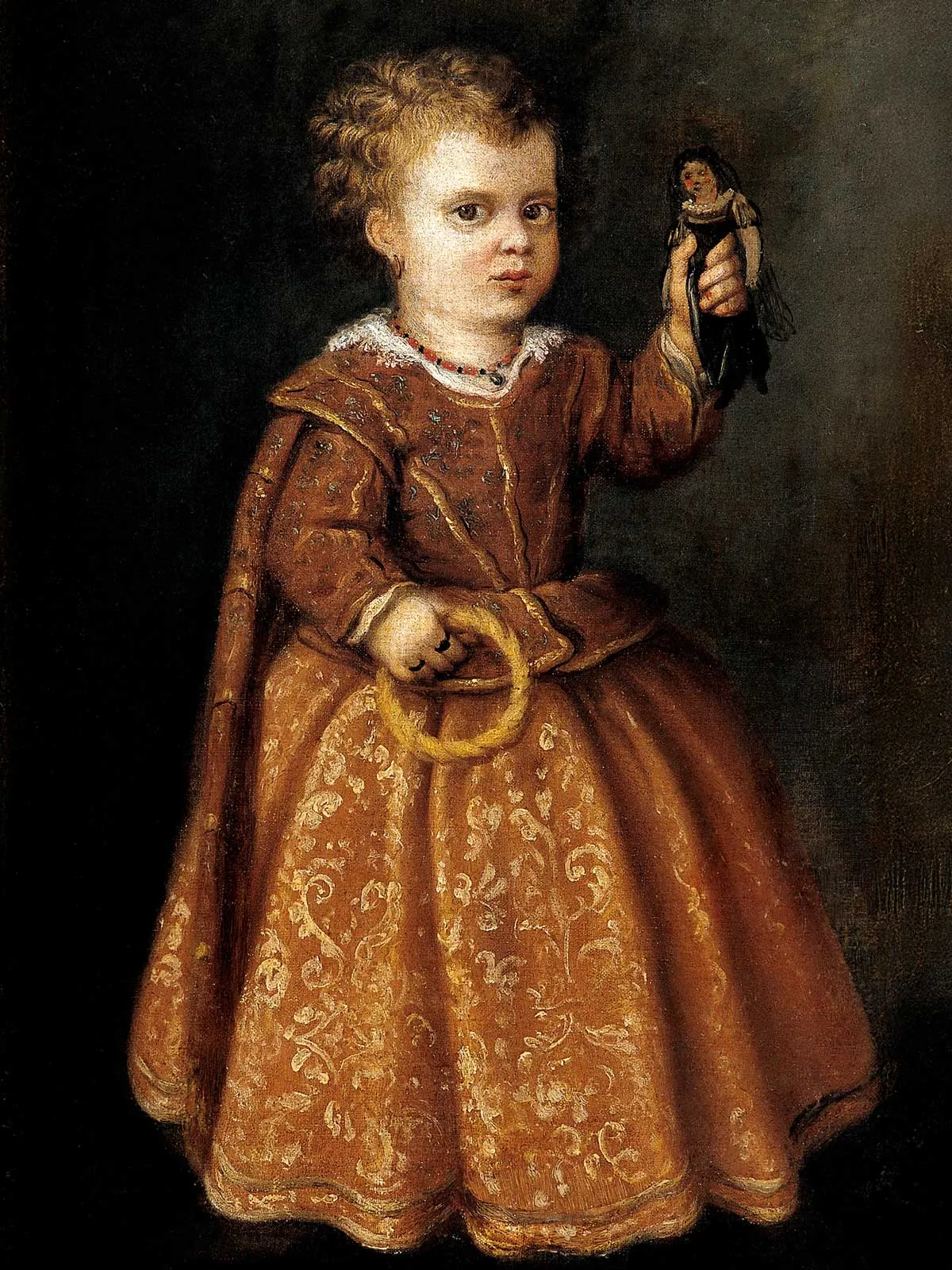
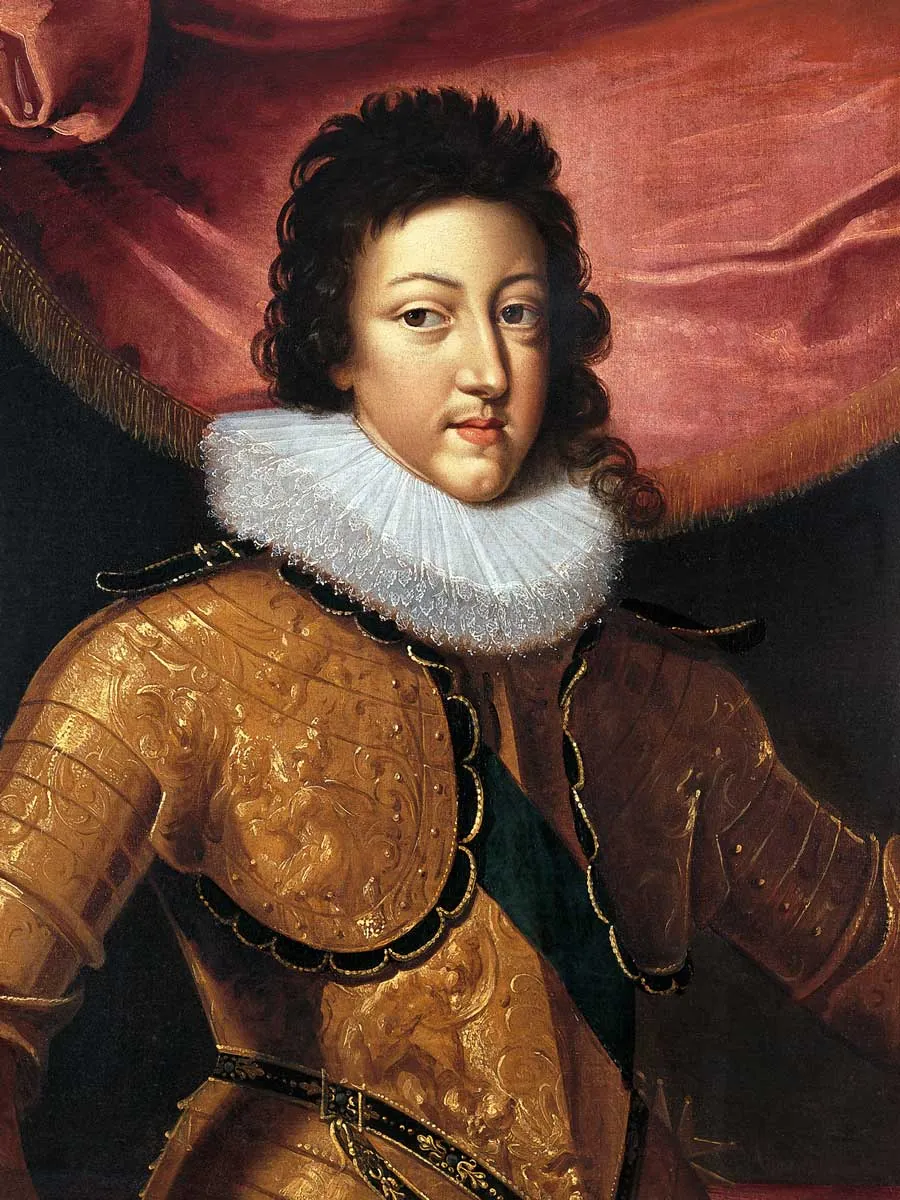
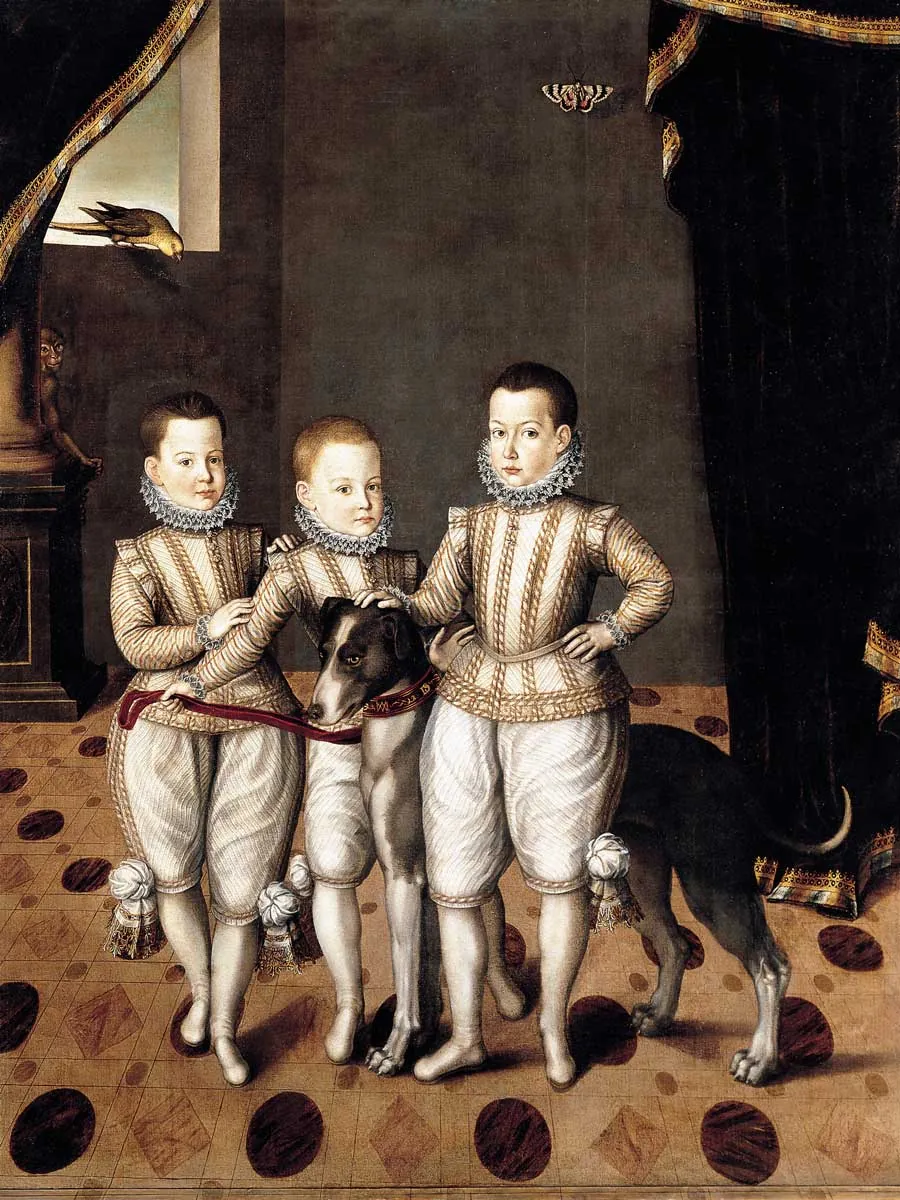
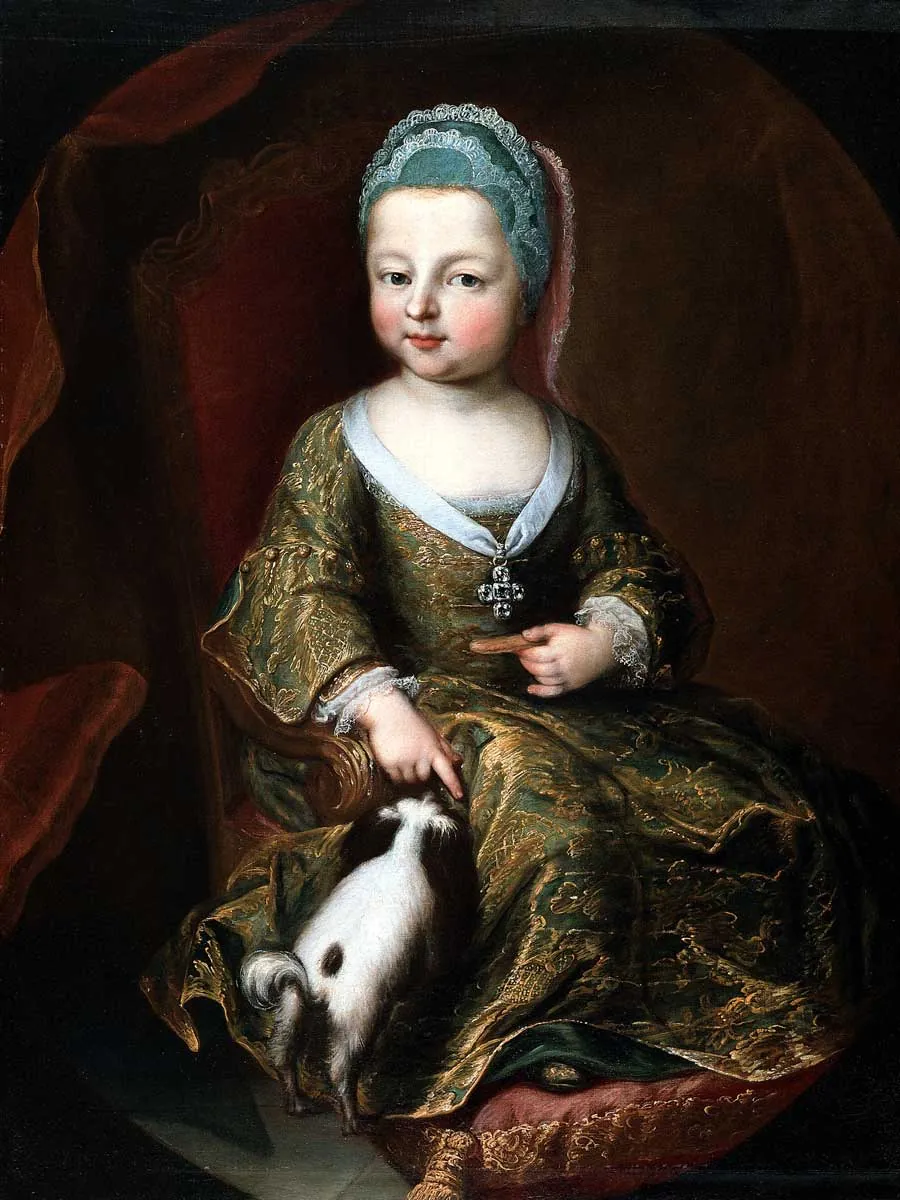
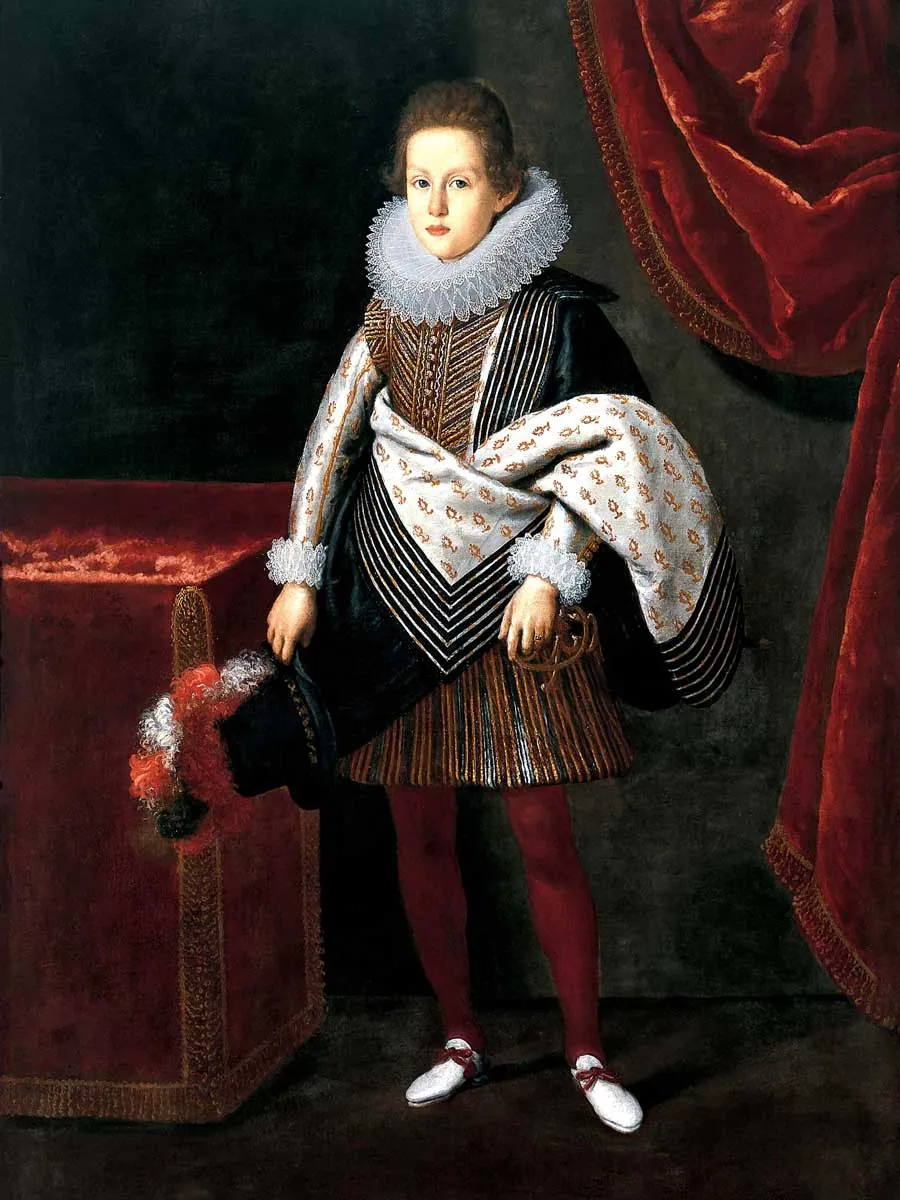
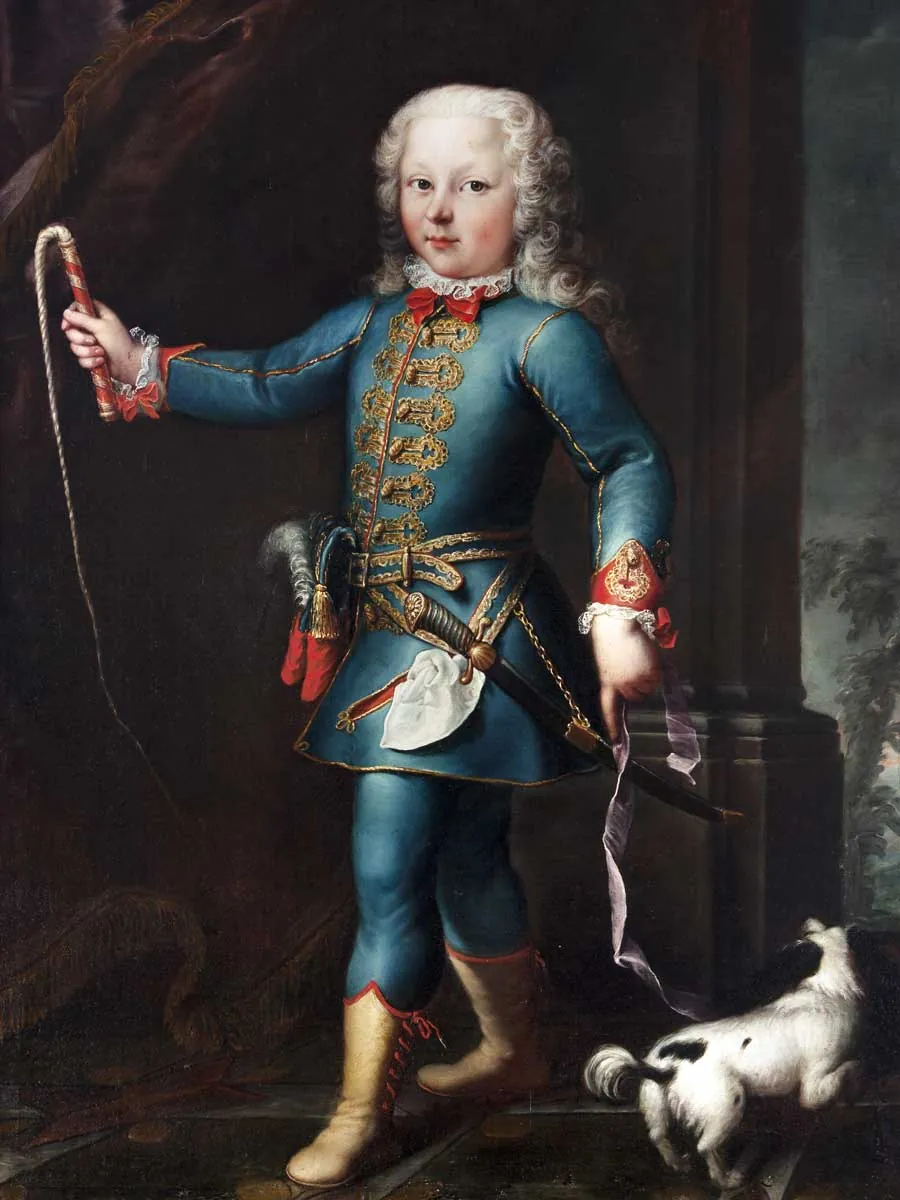
The Nins Collection comprises a total of 167 portraits of children from the 16th to 19th centuries, which have been assembled over more than thirty years by two artists and collectors, Yannick Vu and Ben Jakober.
This unique collection, declared a Catalogued Asset, comprises portraits of members of European royal families, the aristocracy and the bourgeoisie, bringing together works by painters from Spain, France, Italy, England, Austria, Germany and the Netherlands. Year after year, the exhibition is renewed to show selected works from two countries at a time, taking a historical and geographical journey through European painting via the children portrayed.
This proposal allows us not only to appreciate the evolution of portraiture over the centuries, but also to reflect on the role of childhood in different cultures, eras and social classes.
THE ALJIBE
The Aljibe houses the NINS collection. Originally conceived as a water tank for irrigating the estate, this underground space was transformed into an exhibition hall in 1994, incorporating a canopy designed by Antonio Obrador.
The underground nature of the Aljibe offers visitors an intimate and immersive experience, a journey that descends into a place of memory without altering the natural beauty of the surroundings. Renowned theatre and opera director Robert Carsen designed the new installation for the collection, arranging the works on walls painted in different shades of red, from pink to dark crimson, and creating a subtle dialogue between the works.
This proposal reinforces the idea that the museum’s identity lies in its collection and the experience it generates, rather than in the building itself, offering a carefully designed space for contemplation where the viewer and the work can meet.
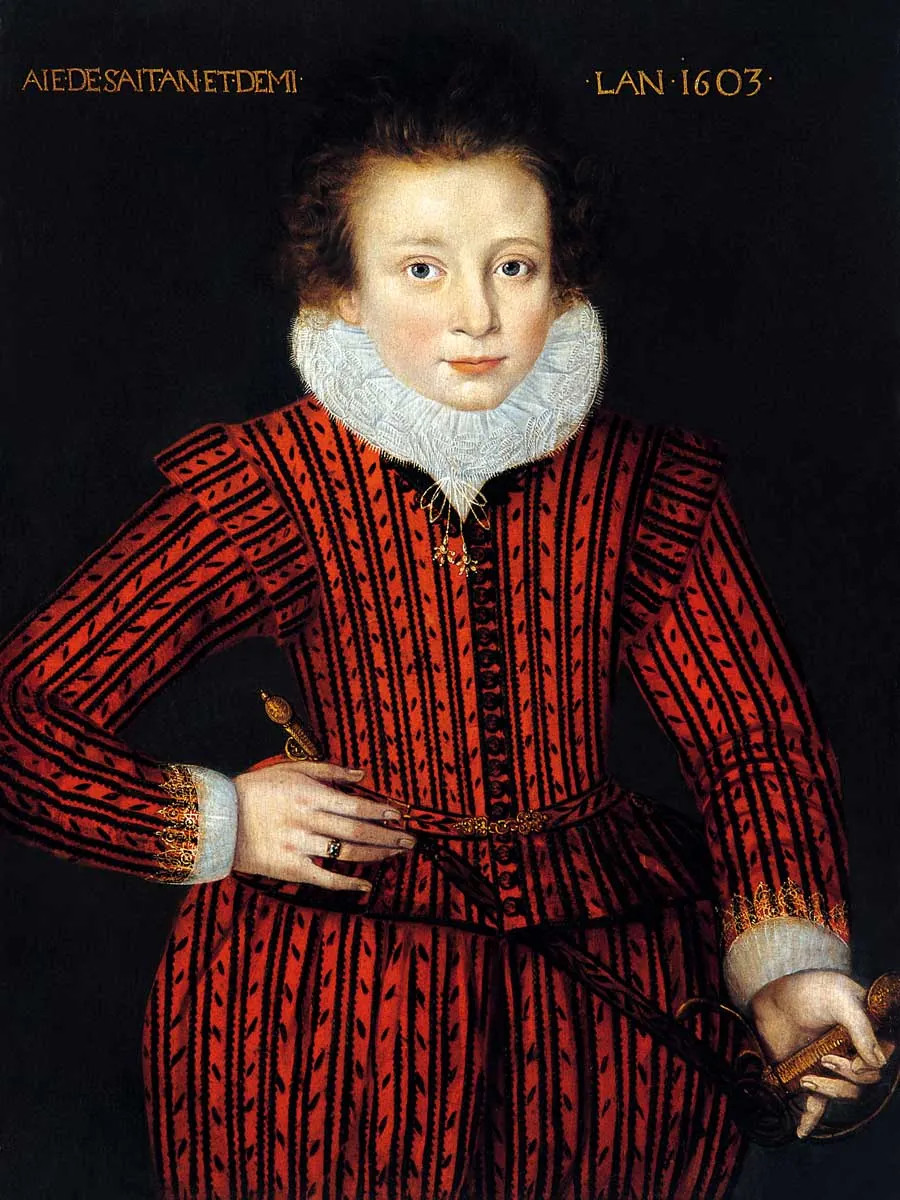
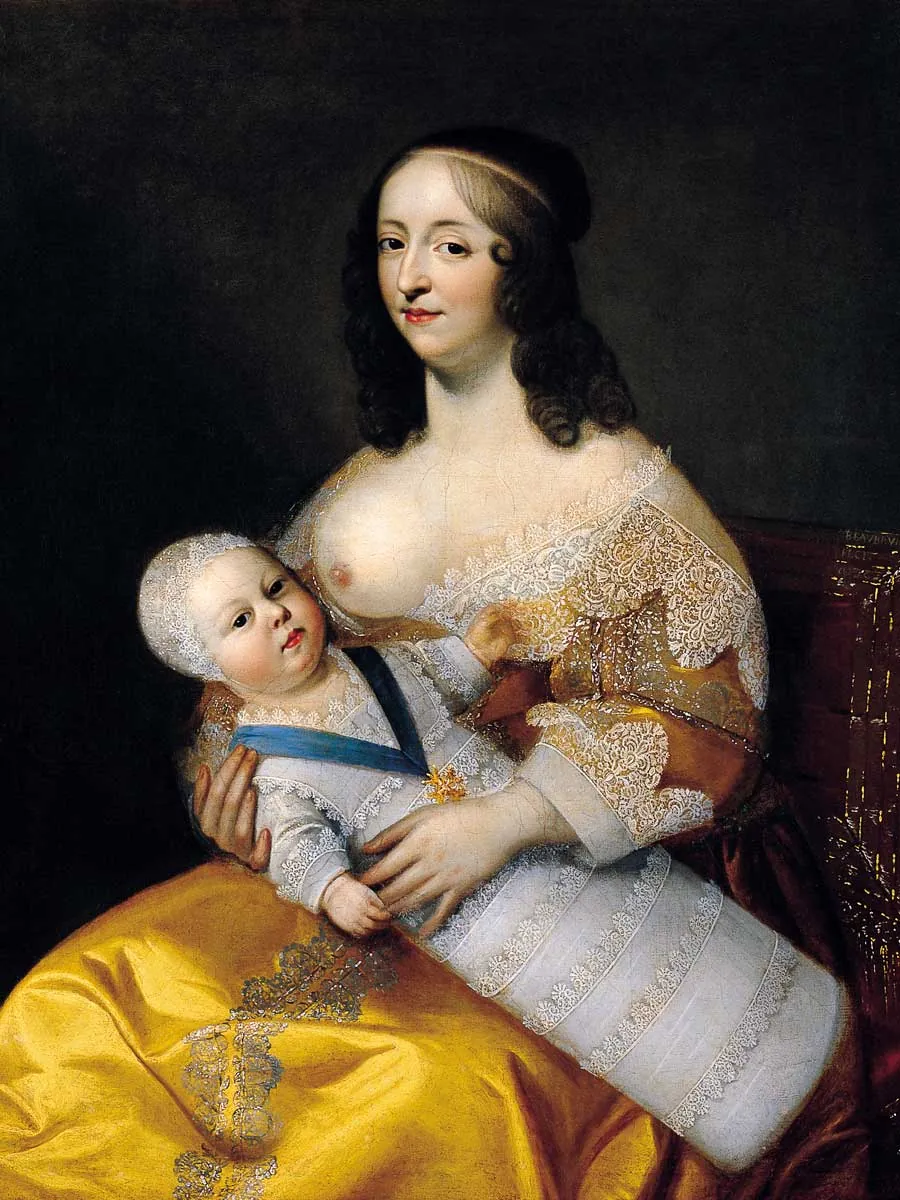
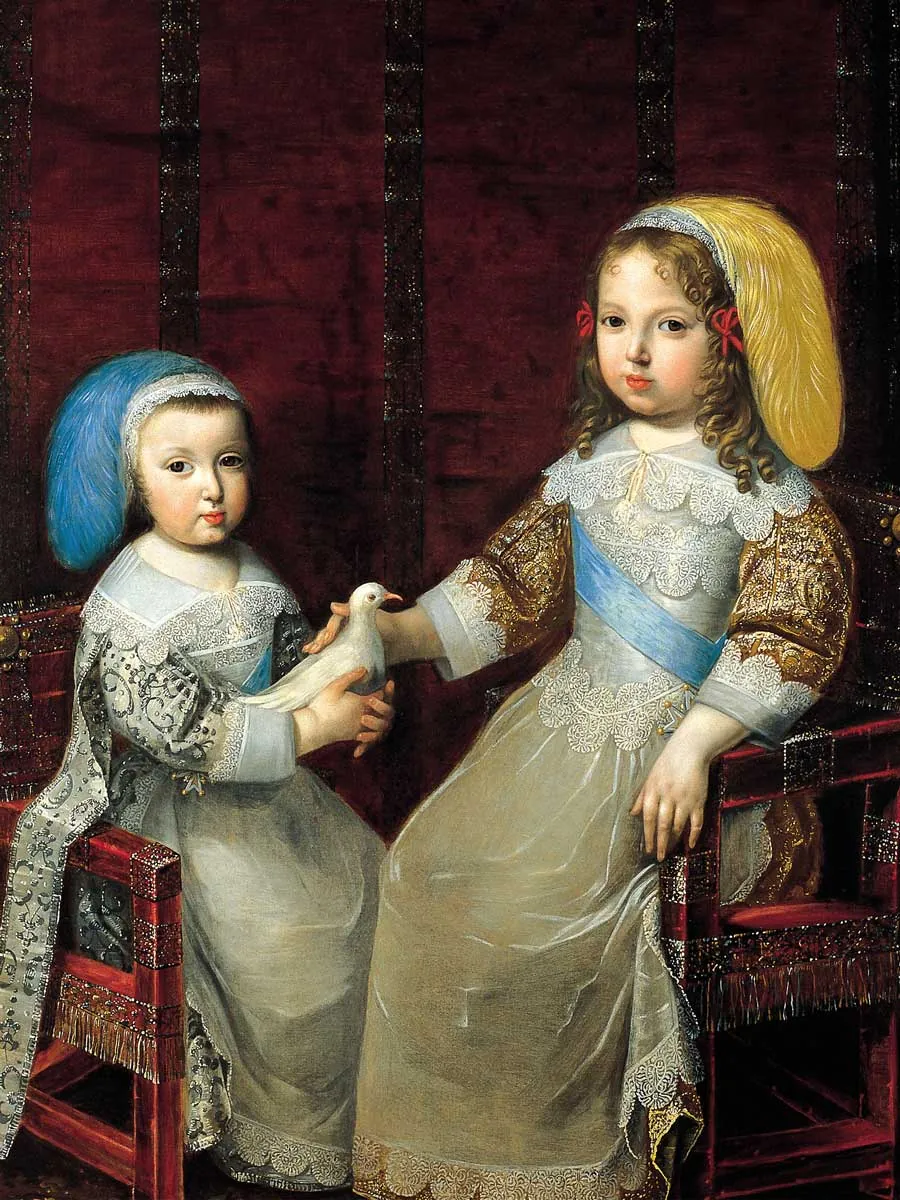
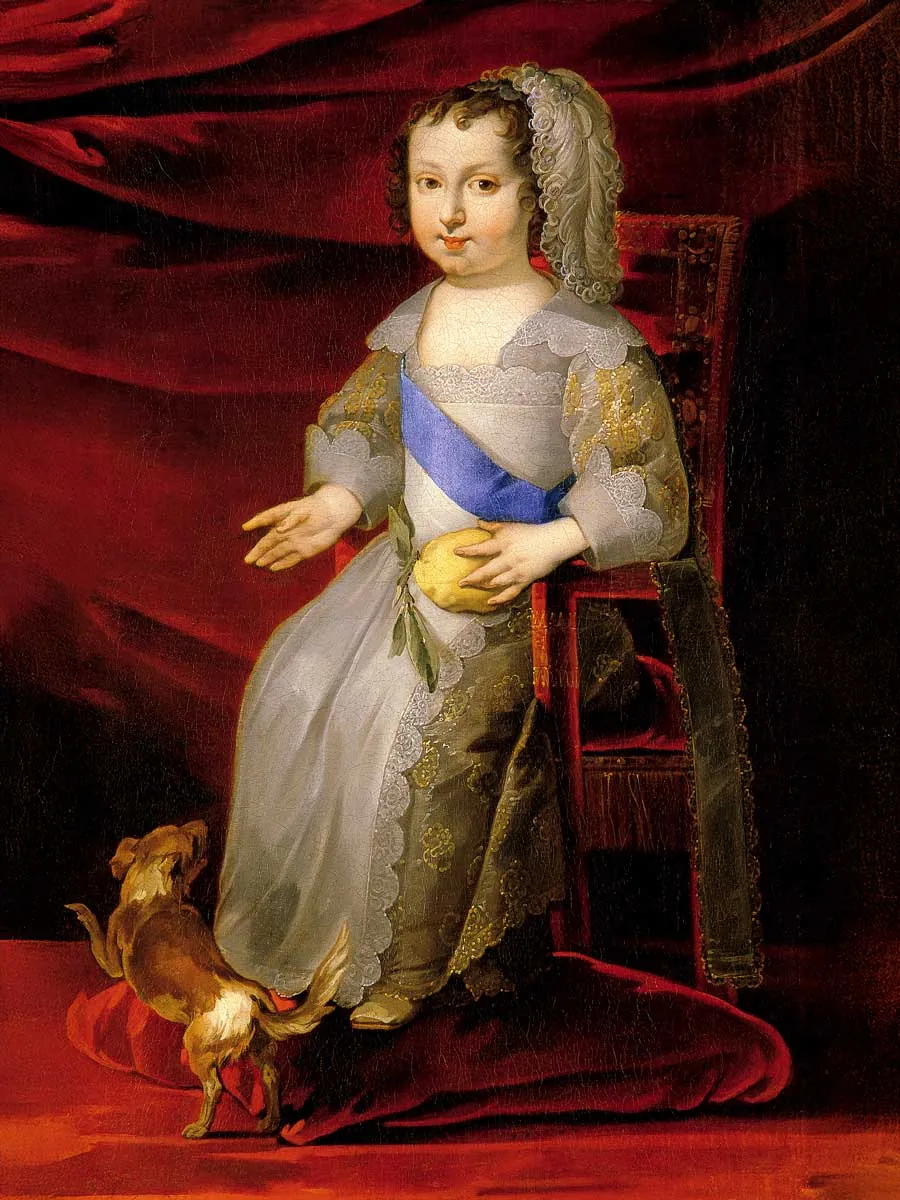
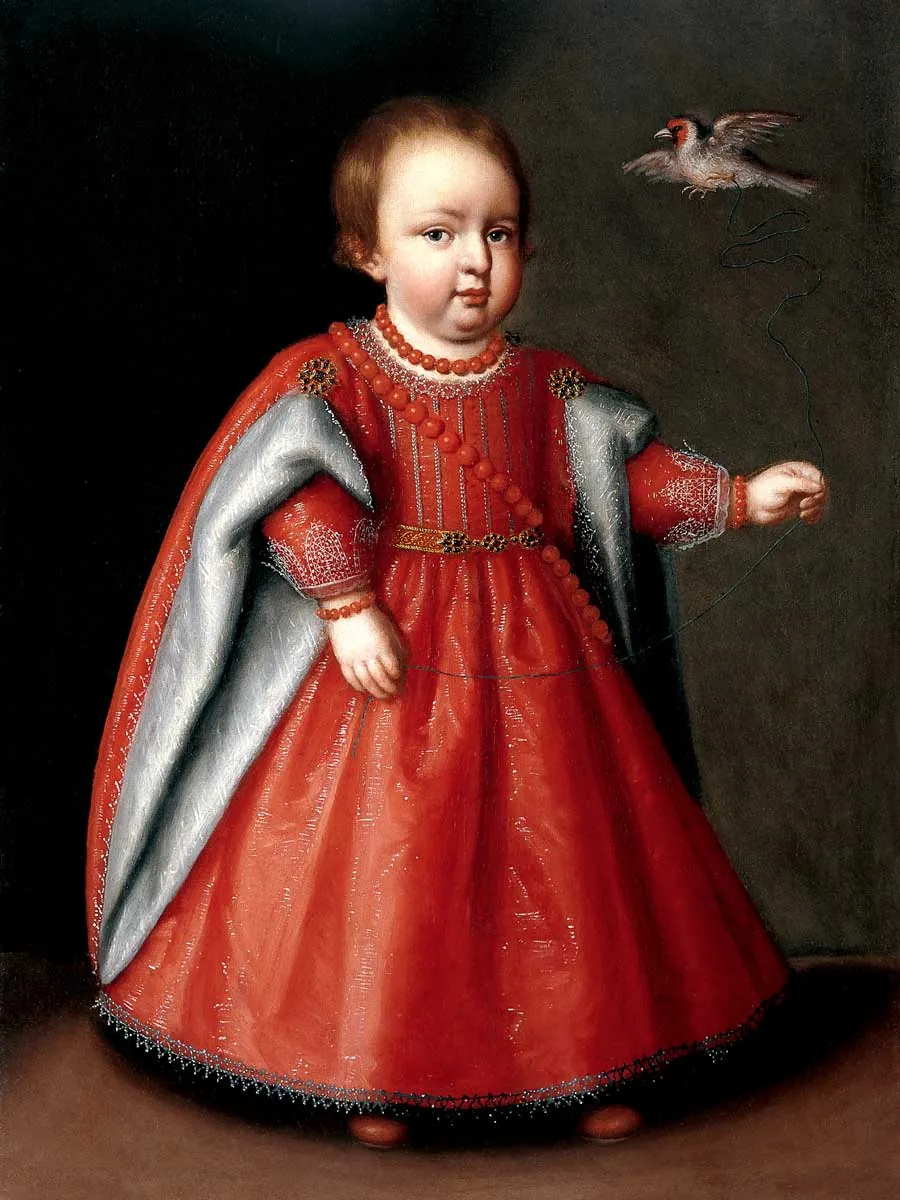
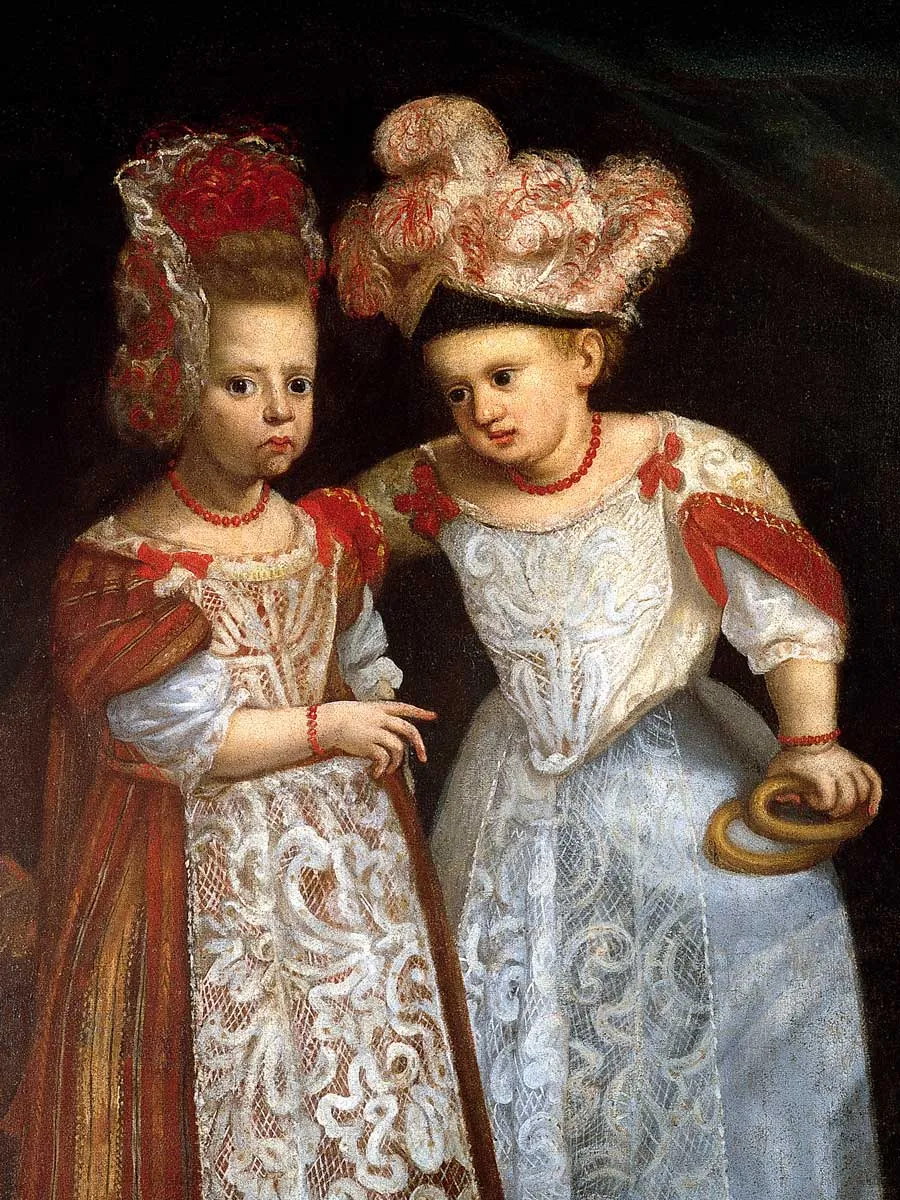
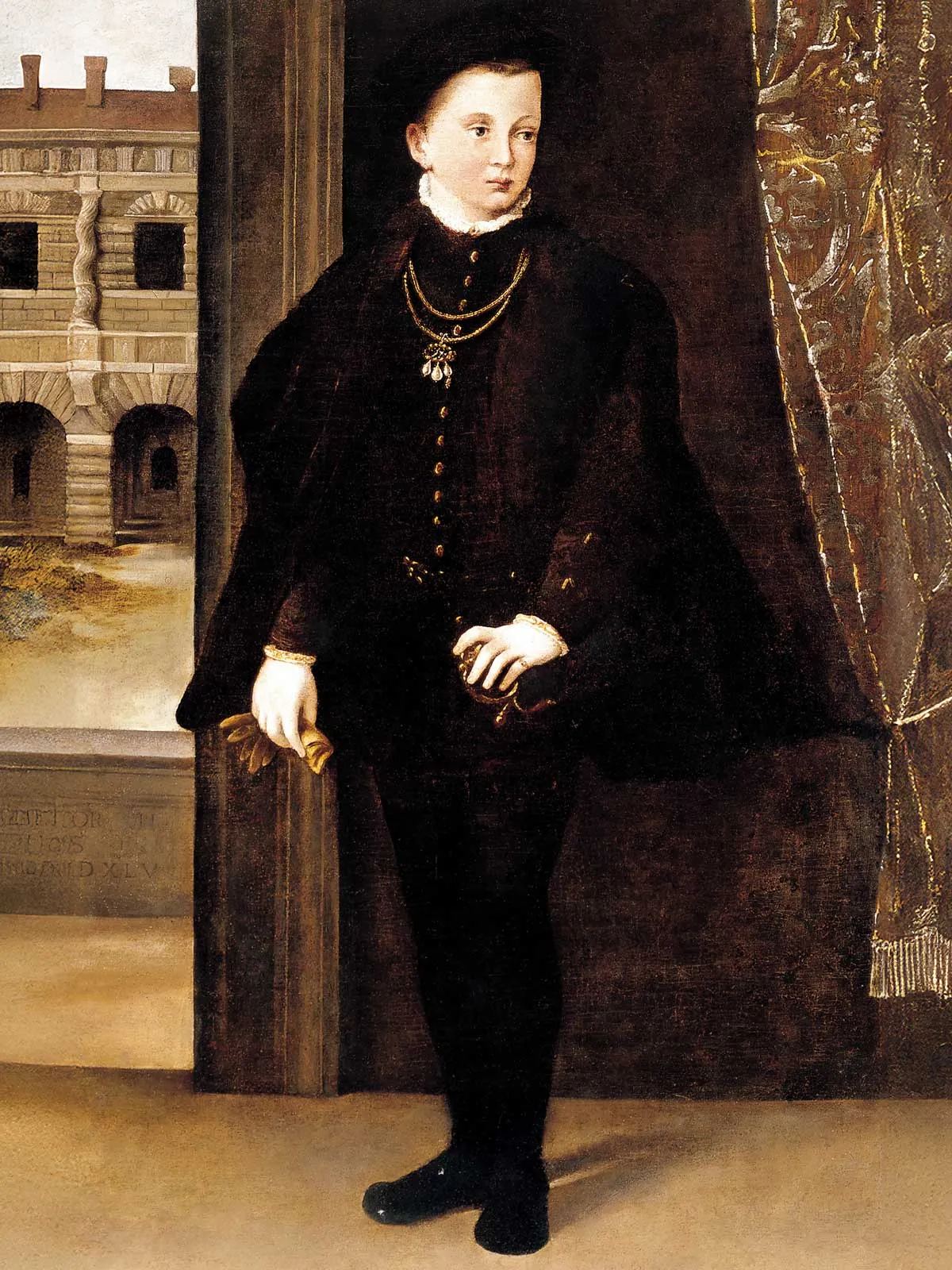
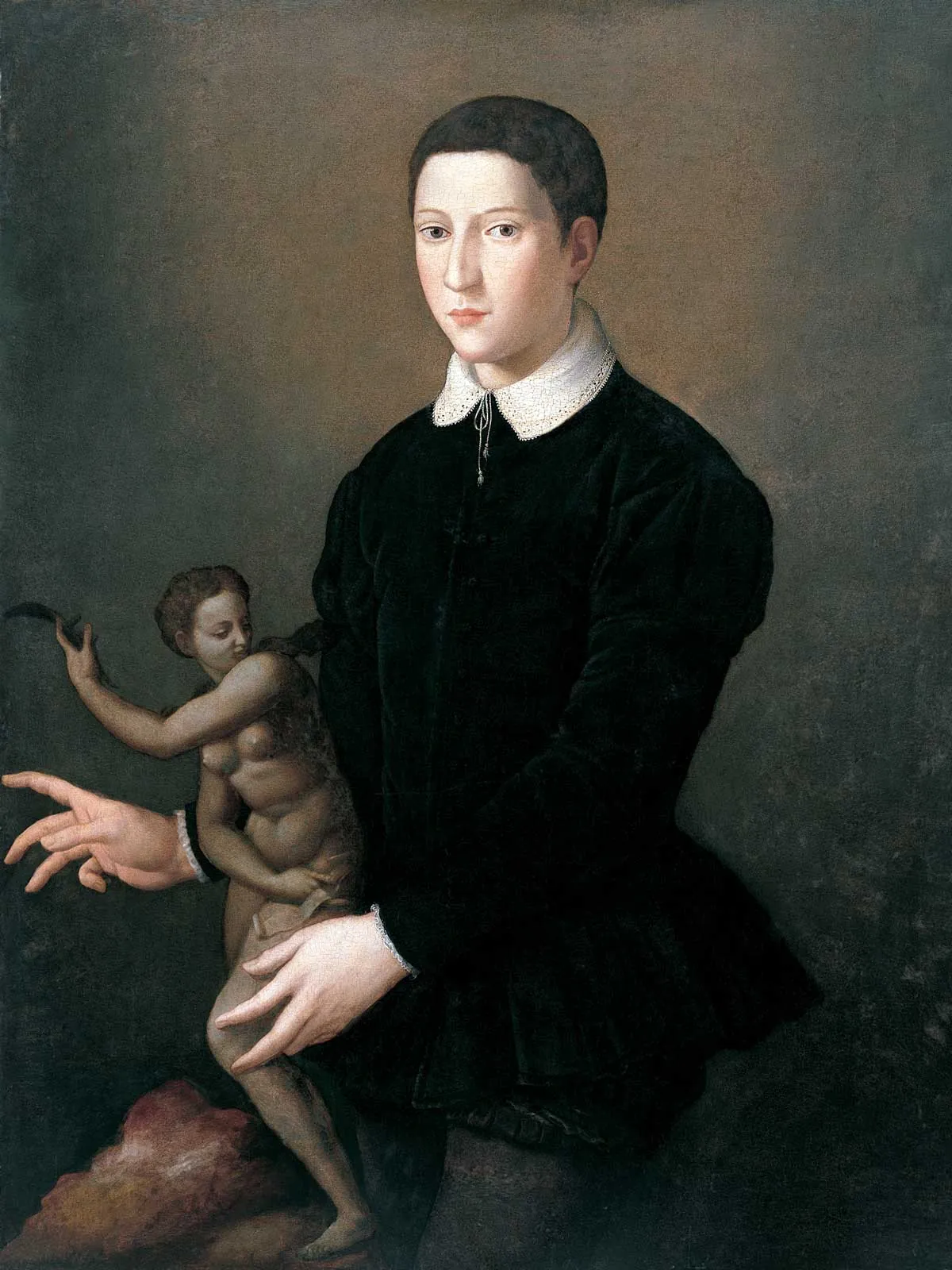
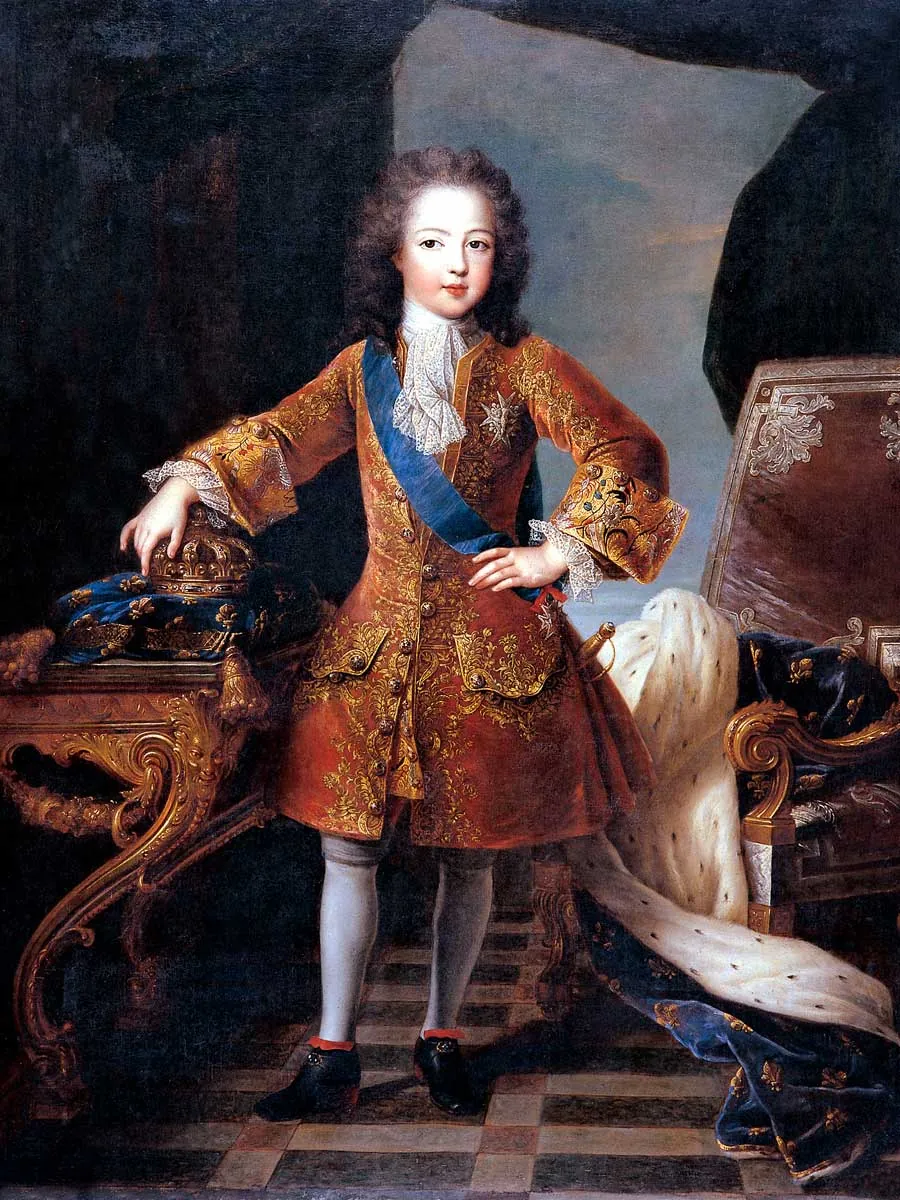
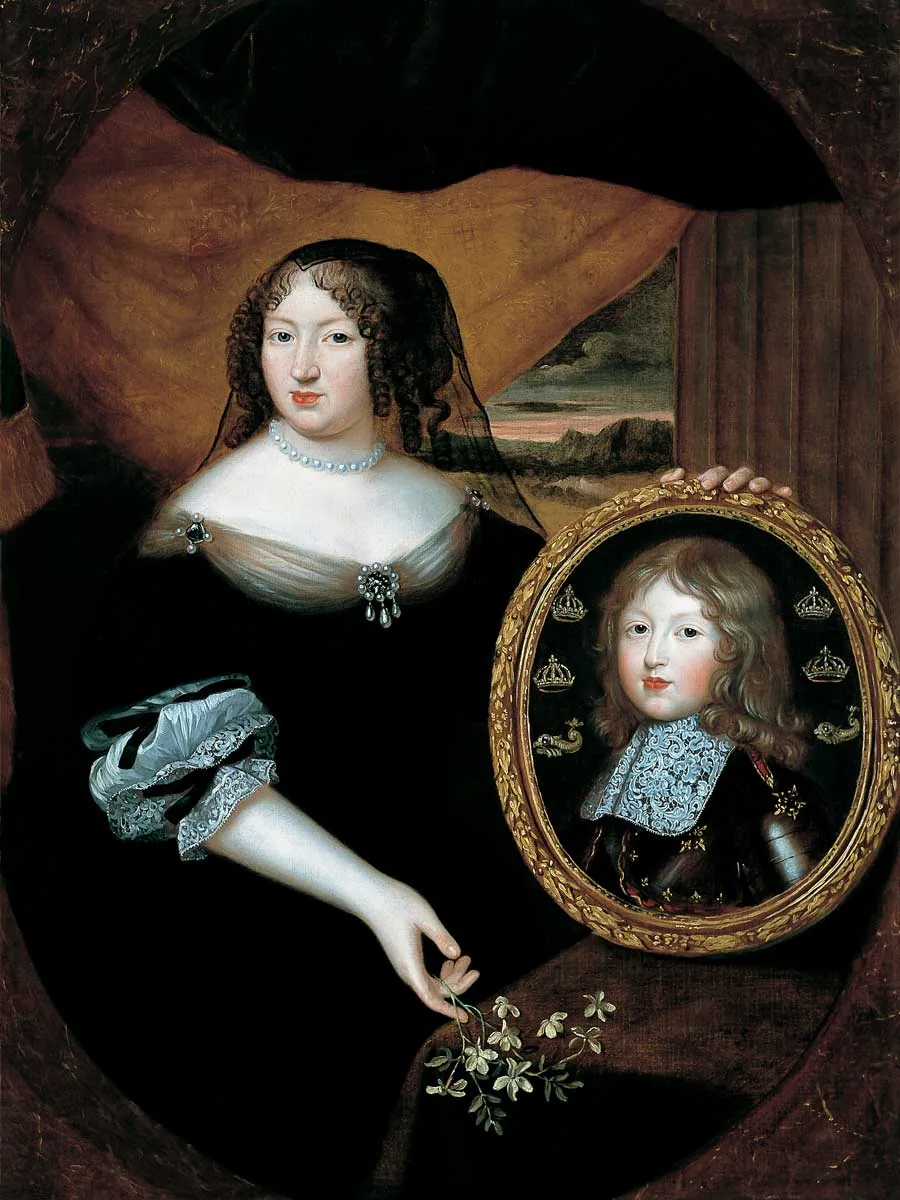
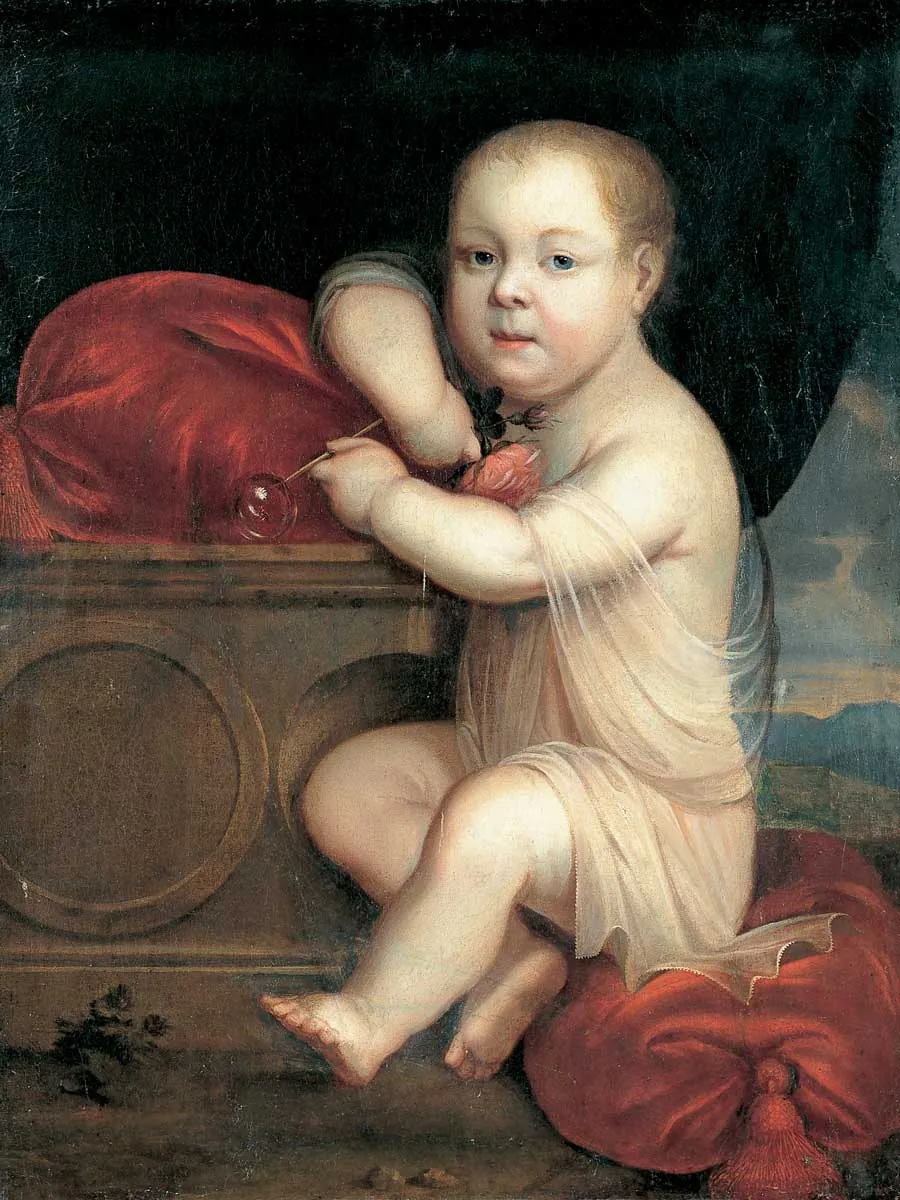
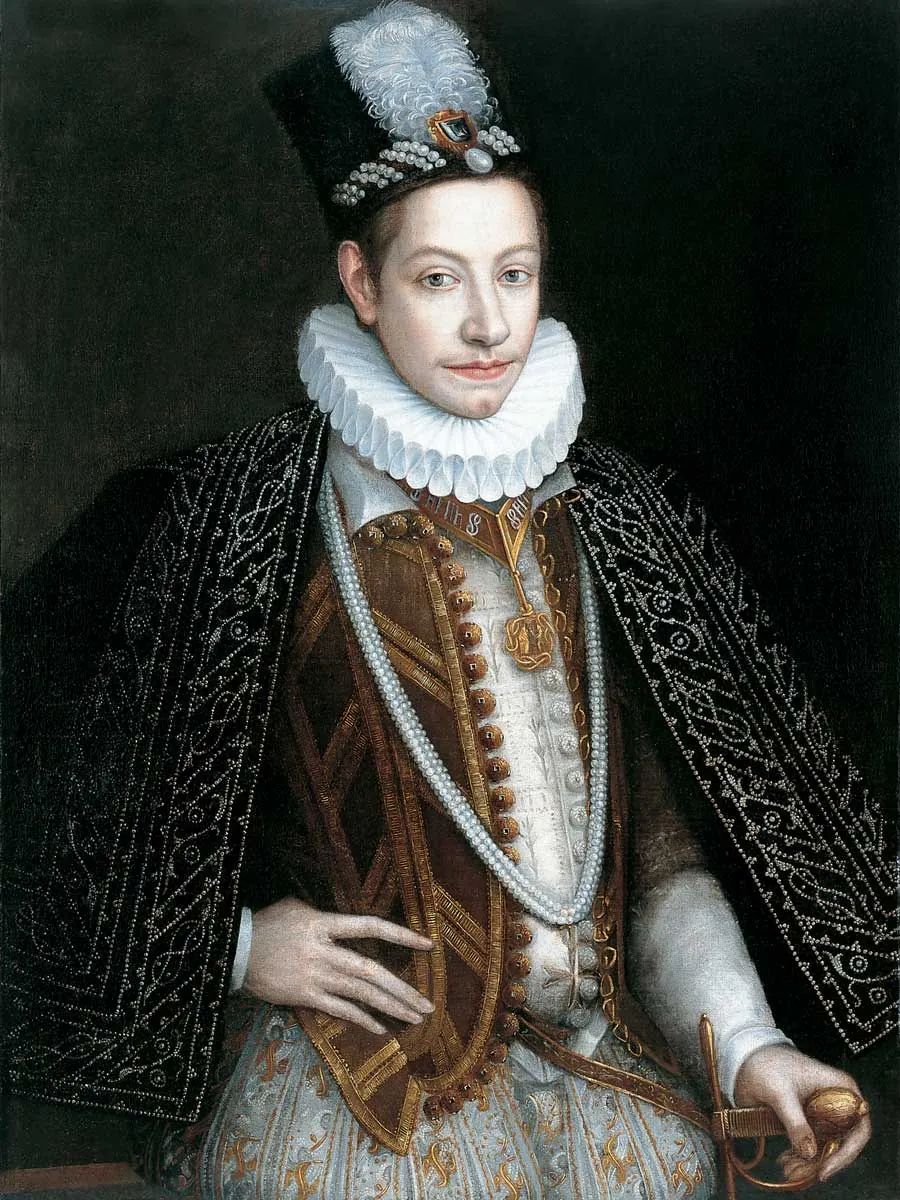
Portraits, Dynasties and Alliances Policies
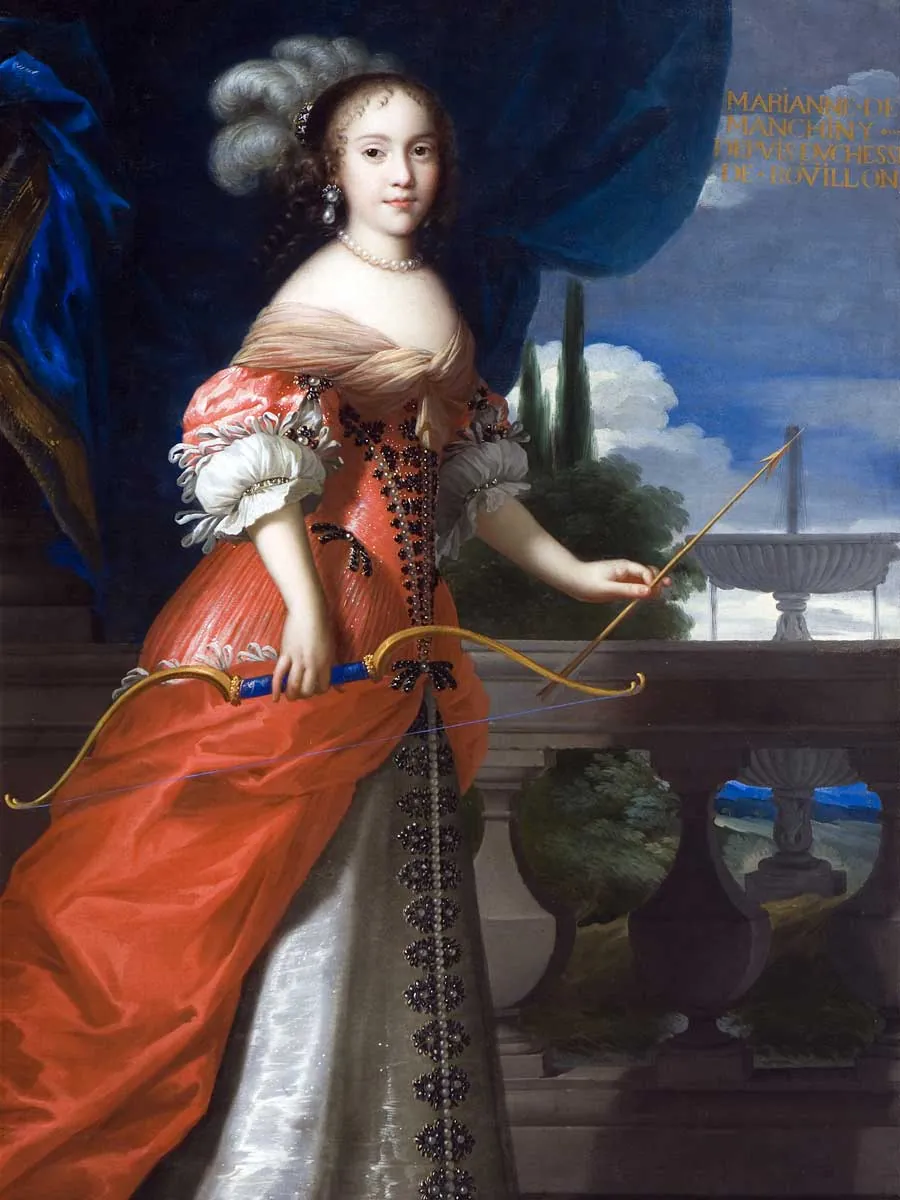
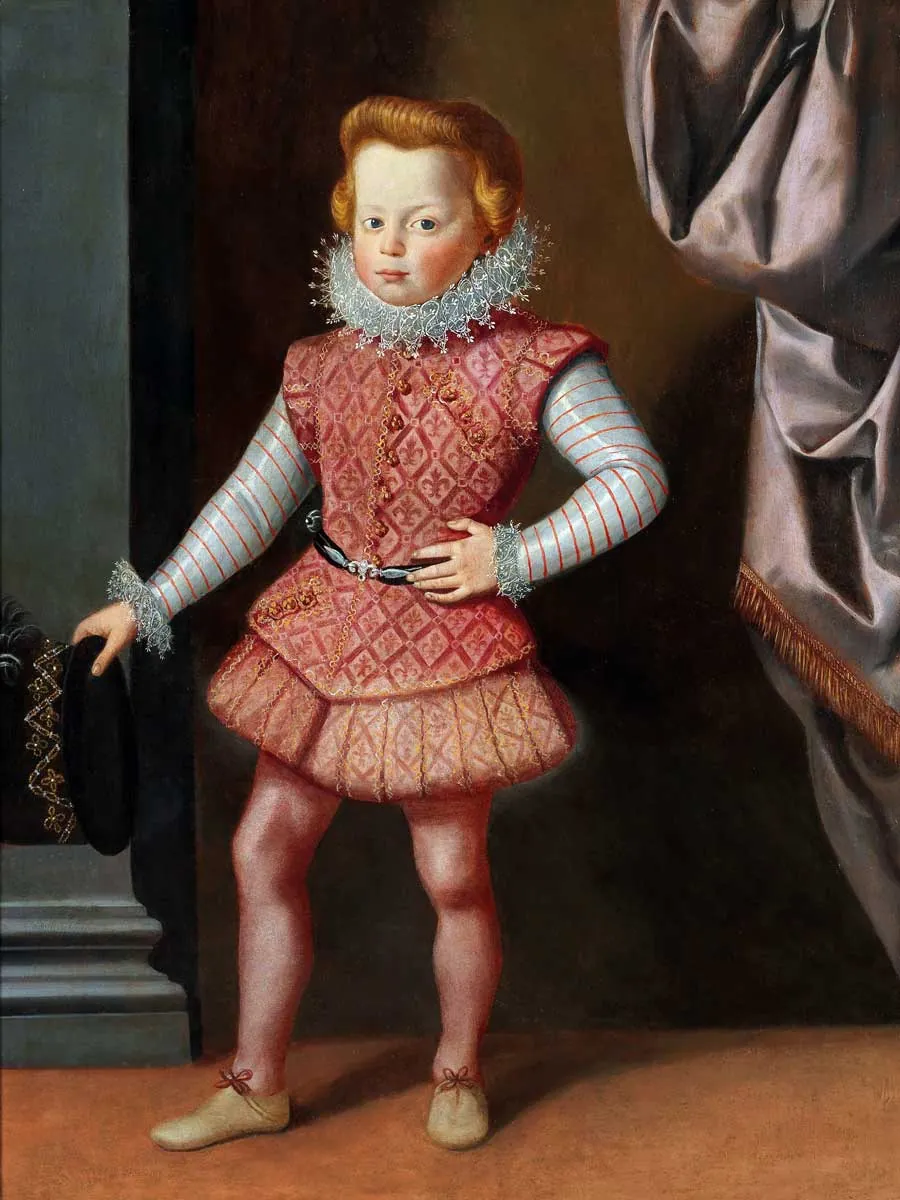
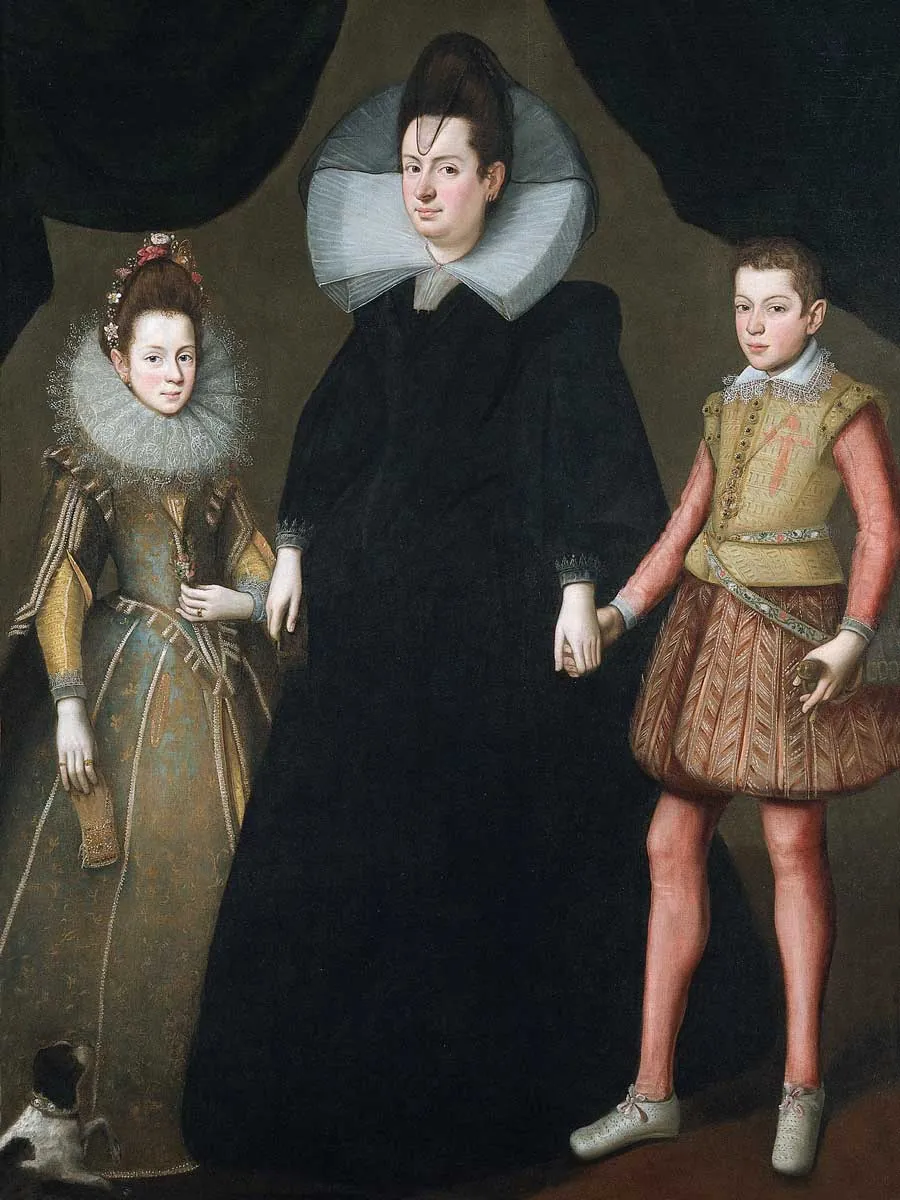
The portraits in the NINS collection come from different countries and mainly depict the children of high-ranking figures, although they also include figures from more modest backgrounds. All the works have been selected according to the same criterion: prioritising the identity of the model and their personal history over anecdotal details.
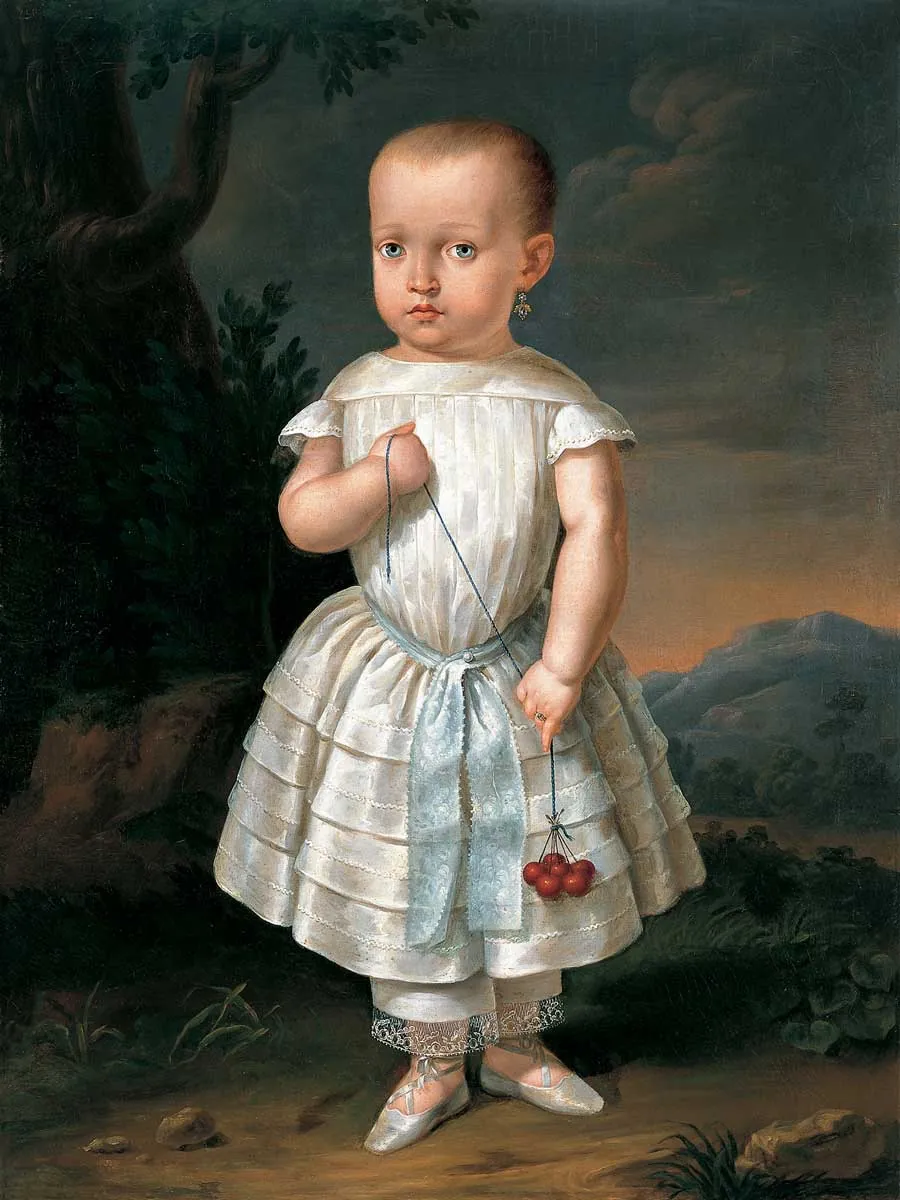
The first piece in the collection was Girl with Cherries, by the Majorcan painter Joan Mestre i Bosch (19th century), a work that perfectly captures the mystery of childhood. Over time, the collection grew, with a particular focus on the 16th and 17th centuries, until it formed a representative collection of the different trends in European court portraiture. This selection allows us to follow the evolution of the representation of childhood, as well as the progressive transformation of clothing, which moves from elegant austerity to greater decorative exuberance. From the 19th century onwards, a more open expressiveness can be seen, reflecting a new sensitivity and a more affectionate view of childhood.
Read more
Read less
Many of these portraits circulated among European courts with the aim of facilitating marriage alliances between the great royal houses, strengthening political and dynastic ties, often through blood relations. In this sense, it is a history of the great European family told through its marriage strategies, in which the birth of heirs was a key element.
Despite restrictions imposed by the Catholic Church, which limited marriages between close relatives, dispensations were common, reflecting a conservative and expansionist marriage policy in which diplomacy prevailed over sentiment. However, illness and accidents, common at the time, often cut short these carefully planned alliances.
These complex family relationships are reflected in numerous portraits in the collection. The images of these young princes, shrouded in an aura of fairy tale and mystery, are now a valuable testimony to their time. Through the artist’s gaze, they introduce us to a solemn and distant world, yet one that is deeply moving.
The expressions of these ‘child kings’, prematurely confronted with their destiny, provoke a reflection that continues to challenge the contemporary viewer.
